
TL;DR:
- Adventure honeymoons are active trips that deepen couples’ bonds through outdoor challenges and shared discovery. Planning requires balancing physical activities with relaxation, budgeting carefully, and booking professional guides to ensure a smooth experience. The best destinations include Latin America, Southeast Asia, European mountains, and island regions, with activities tailored to all fitness levels.
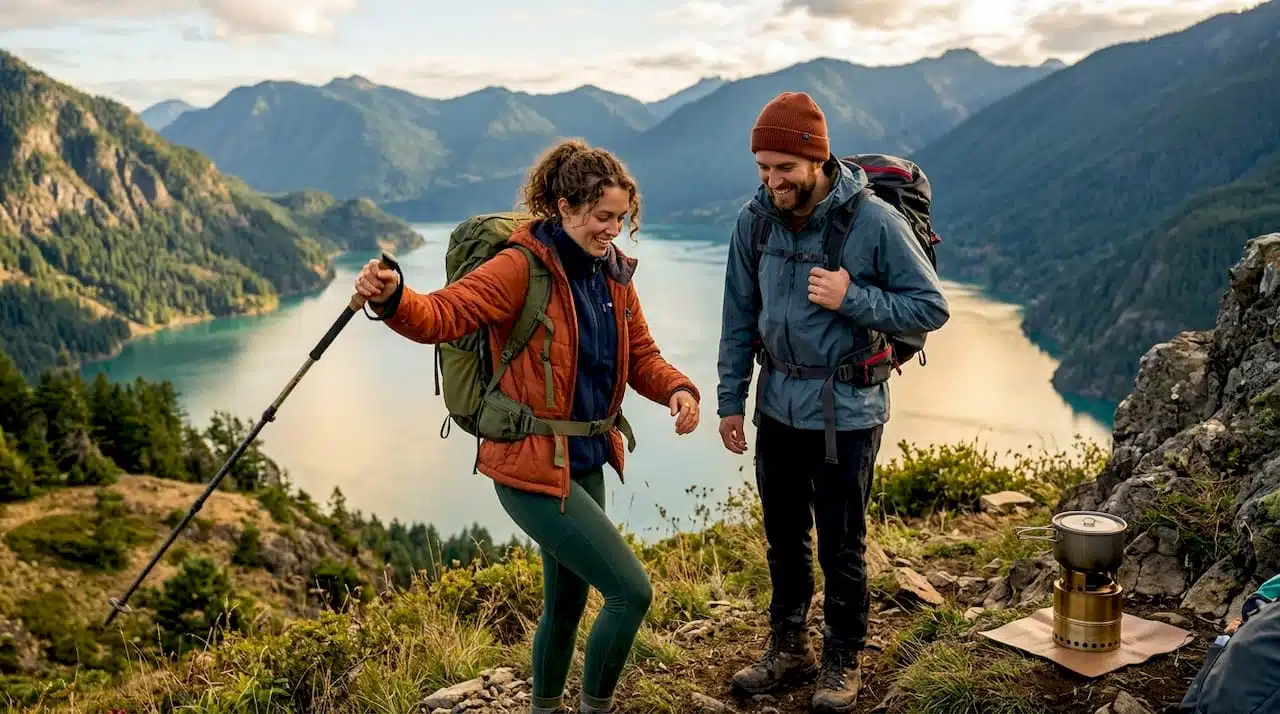
Adventure honeymoons are immersive, active trips where couples experience new landscapes and physical challenges together, creating deeper bonds through shared discovery. Unlike passive beach vacations, these trips pair exhilarating outdoor experiences with romantic intimacy, from hiking ancient trails in Peru to snorkeling cenotes in Mexico’s Riviera Maya. The best active honeymoon ideas balance real physical challenge with genuine relaxation, giving couples both the thrill of exploration and the warmth of togetherness. Whether your budget is under $3,000 or well above $10,000, the options for couples adventure trips span every continent and fitness level.
1. What makes adventure honeymoons different from traditional trips
Adventure honeymoons are defined by active, immersive participation rather than passive relaxation. Couples who choose this style return home with stories, not just photographs. Shared adversity, like navigating a steep mountain trail or paddling through open water, acts as a powerful bonding agent that passive trips rarely replicate. That shared challenge creates core memories that last far longer than a week on a sun lounger.
The key distinction is intentionality. Blending physical challenge with romance and pairing active days with high-quality, comfortable accommodations produces a restorative honeymoon experience. Couples feel accomplished and connected, not just rested.
2. Best adventure honeymoon destinations around the world
The world’s top destinations for outdoor honeymoon experiences span four major regions, each offering a distinct character and activity mix.
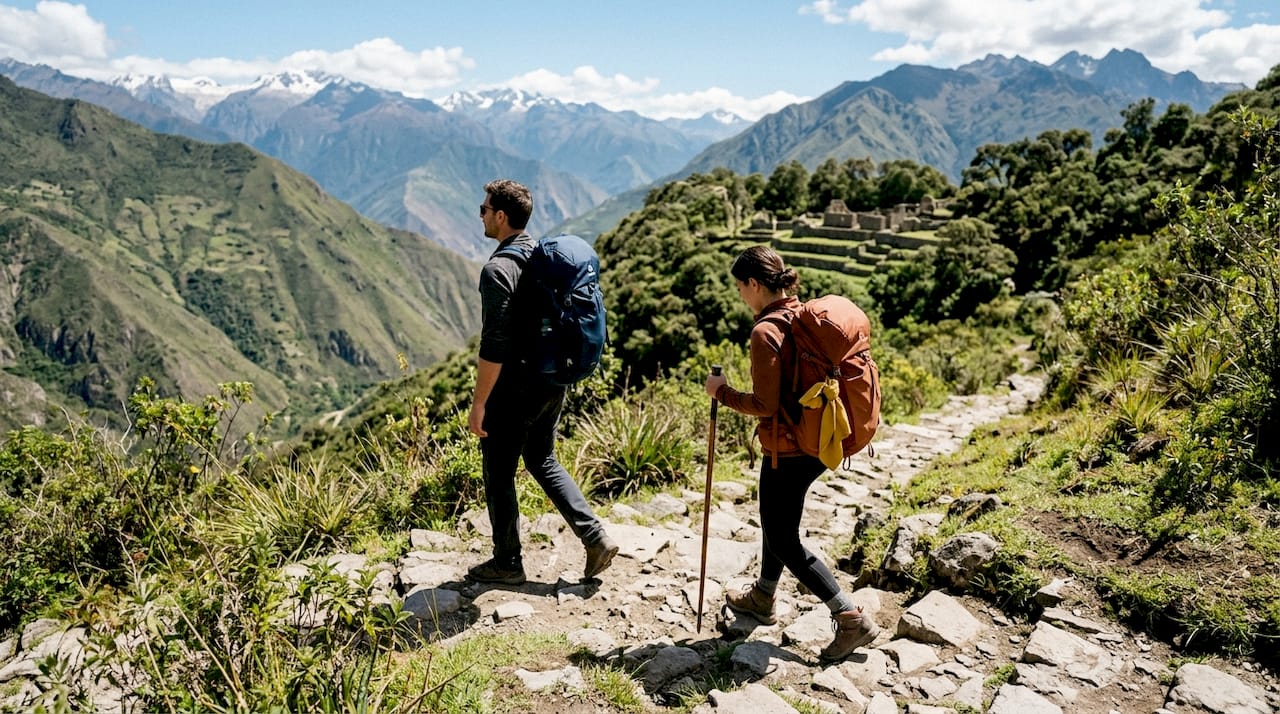
Latin America leads for sheer variety. Peru’s Inca Trail delivers a four-day trek through cloud forest and Andean peaks, culminating at Machu Picchu. Mexico’s Riviera Maya offers cenote snorkeling and kayaking through turquoise coastal waters. Costa Rica combines zip-lining through rainforest canopy with wildlife encounters and volcanic hot springs.
Southeast Asia suits couples who want exotic honeymoon destinations with lower price points. Northern Thailand offers jungle trekking and elephant sanctuary visits. The Philippines and Indonesia provide world-class scuba diving alongside overwater bungalow stays.
European mountains appeal to couples who want dramatic scenery without long-haul flights. Italy’s Dolomites offer via ferrata routes and alpine meadow hikes with luxury rifugio stays. Switzerland’s Bernese Oberland pairs glacier walks with five-star mountain lodges.
Coastal and island destinations round out the options. The Azores in Portugal combine whale watching, volcanic crater hikes, and thermal pools. New Zealand’s South Island is the gold standard for thrill-seeking honeymoon couples, offering bungee jumping, glacier heli-hikes, and fjord kayaking within a single itinerary.
Pro Tip: Seasonality affects route access significantly. Many high-altitude trekking routes and coastal adventures close between november and march in certain regions. Book your destination before locking in your wedding date, not after.
3. How to plan and budget for your adventure honeymoon
Budgeting for an active honeymoon requires more precision than a standard resort trip. Typical budgets run $3,000–$8,000 for a 7–10 day trip, excluding international airfare. Budget alternatives exist under $3,000, while luxury safari or expedition packages exceed $10,000.
A practical planning sequence looks like this:
- Set your activity intensity level. Decide whether you want beginner-friendly trails or technical multi-day expeditions. This choice drives every other decision.
- Choose your destination by season. Many remote routes close seasonally, so confirm accessibility windows before booking flights or accommodations.
- Build your base budget. Include guided tours, accommodation, internal transfers, meals, and activity fees. Use the $3,000–$8,000 range as your anchor.
- Add a gear buffer. Allocate 10–15% of your trip cost to gear rental or last-minute upgrades. Climbing boots, snorkels, and camera equipment are rarely included in base package prices.
- Purchase travel insurance with adventure sports coverage. Standard travel policies exclude activities like white-water rafting, scuba diving, and via ferrata. Verify coverage before departure.
- Book a concierge or curated package. Professional planning relieves logistical stress and maximizes your actual time together as a couple. Grandglobetrotting specializes in exactly this type of bespoke honeymoon itinerary creation.
Pro Tip: Cap active pursuits at roughly 60% of each day’s schedule. Balancing high-intensity activities to around 60% of your daily itinerary prevents exhaustion and creates space for genuine romantic connection.
| Budget Tier | Typical Cost | What It Covers |
|---|---|---|
| Budget | Under $3,000 | Camping, hostel stays, self-guided trails |
| Mid-range | $3,000–$8,000 | Guided tours, boutique lodges, mix of activities |
| Luxury | $10,000+ | Private guides, luxury eco-resorts, safari expeditions |
| Gear buffer | 10–15% of total | Rentals, upgrades, specialty equipment |
4. Adventure honeymoon activity ideas for every couple
The best adventure travel for couples works across a wide range of fitness levels. The activities below scale from beginner to advanced, so you can match the experience to where you both are right now.
- Alpine meadow hiking. Routes in the Dolomites, Swiss Alps, or Patagonia offer stunning scenery with adjustable difficulty. Beginner couples can take cable cars to high elevations and hike down; experienced hikers can tackle multi-day hut-to-hut routes.
- White-water rafting. Rivers in Costa Rica, Nepal, and New Zealand offer Class II through Class V rapids. Most operators provide full safety briefings and gear, making this accessible even for first-timers.
- Scuba diving and snorkeling. The Great Barrier Reef in Australia, the Maldives, and Mexico’s Riviera Maya each offer world-class underwater visibility. Couples who are not yet certified can complete a PADI Open Water course as part of their honeymoon itinerary.
- Zip-lining. Rainforest canopy zip-lines in Costa Rica and Belize deliver pure adrenaline with minimal physical prerequisite. Most tours last 2–3 hours and include multiple lines at varying heights.
- Wildlife safaris. East Africa’s Serengeti and Maasai Mara offer private game drives at dawn and dusk, with luxury tented camps in between. Some luxury eco-resort expeditions limit group size to around 20 couples to preserve intimacy and exclusivity.
- Sea kayaking. Coastal kayaking in the Azores, New Zealand’s Milford Sound, or Thailand’s Phang Nga Bay puts couples in direct contact with dramatic scenery at a calm, intimate pace.
- Cycling tours. Guided cycling routes through Tuscany, Vietnam’s countryside, or the Loire Valley combine physical activity with cultural immersion and excellent food.
Recovery days matter as much as activity days. Build at least one full rest day into every three days of active programming. Pair it with a private guided tour, a spa treatment, or a sunset dinner at a luxury lodge to keep the romantic atmosphere alive.
5. Packing essentials for adventure honeymooners
Packing for an active honeymoon requires more thought than a resort trip. The wrong gear ruins a day faster than bad weather.
- Broken-in hiking boots. Never bring new boots on a honeymoon trek. Wear them for at least 20 hours before departure to prevent blisters on the trail.
- Quick-dry clothing. Merino wool and synthetic fabrics dry fast, resist odor, and pack small. Bring layers you can add or remove as elevation and temperature change.
- Waterproof jacket. A packable, waterproof shell weighs under a pound and protects against sudden mountain storms or coastal spray.
- Headlamp with spare batteries. Early morning departures for sunrise hikes or wildlife drives require reliable light. A headlamp keeps both hands free.
- Hydration system. A 2-liter hydration bladder or insulated water bottle keeps you drinking consistently during long active days. Dehydration is the most common cause of early trip fatigue.
Pro Tip: Book private guided tours through local operators whenever possible. Local guides provide authentic context, support the regional economy, and often access routes that standard group tours skip entirely.
Travel insurance with adventure sports coverage is non-negotiable. Standard policies exclude most outdoor activities. Verify your policy covers every activity on your itinerary before you leave home. Leave room in your pack for spontaneous purchases, local textiles, or a piece of gear you discover on the ground.
Key takeaways
Adventure honeymoons deliver the deepest romantic connection when couples pair physical challenge with intentional downtime, smart budgeting, and professional planning support.
| Point | Details |
|---|---|
| Balance activity with rest | Cap active pursuits at 60% of each day to prevent exhaustion and protect romance. |
| Budget with a gear buffer | Allocate 10–15% of your total trip cost to gear rentals and unexpected equipment needs. |
| Choose destination by season | Confirm route accessibility windows before booking flights, as many close november through march. |
| Use professional planning | Concierge services reduce logistical stress and increase quality time together as a couple. |
| Match activities to fitness level | Scale from beginner hikes and snorkeling to technical treks and white-water rafting based on your current abilities. |
What I’ve learned planning adventure honeymoons for couples
The couples who return most satisfied are not always the ones who did the most. They are the ones who were honest with each other about what they actually wanted before they left.
I have seen couples book a 12-day itinerary packed with back-to-back expeditions, only to arrive exhausted from wedding planning and spend the first three days recovering instead of exploring. The fix is simple: build the recovery in deliberately. A challenging morning hike followed by an afternoon at a luxury eco-lodge is a far more satisfying day than two consecutive full-day treks with no breathing room.
The other pattern I notice is couples who underestimate how much shared discovery matters compared to individual activity ticks. Reaching a summit together, or navigating a new city without a map, creates a kind of closeness that a spa day simply cannot replicate. That is the real value of this style of travel. The activities are the vehicle. The connection is the destination.
Professional planning is not a luxury add-on for adventure honeymoons. It is the thing that makes the difference between a trip that works and one that falls apart at the logistics level. When the transfers are handled, the guides are vetted, and the accommodations are confirmed, couples can be fully present with each other instead of managing spreadsheets from a hotel lobby.
— Sandon
Plan your adventure honeymoon with Grandglobetrotting
Grandglobetrotting builds personalized luxury travel itineraries for couples who want the thrill of outdoor adventure without the stress of planning every detail themselves.
The team at Grandglobetrotting connects couples with private guides, curated activity packages, and luxury accommodations that fit both the adventure and the romance. From Inca Trail treks to African safari expeditions, every itinerary is built around your fitness level, interests, and budget. You spend your honeymoon fully present with your partner. Grandglobetrotting handles the rest. Reach out through the travel planning service to start building your itinerary today.
FAQ
What is an adventure honeymoon?
An adventure honeymoon is an active, immersive trip where couples combine outdoor physical activities like hiking, kayaking, or wildlife safaris with romantic experiences and quality time together.
How much do adventure honeymoons typically cost?
Typical budgets range from $3,000–$8,000 for a 7–10 day trip excluding airfare, with budget options under $3,000 and luxury safari packages exceeding $10,000.
What are the best destinations for couples adventure trips?
Peru, Costa Rica, New Zealand, the Dolomites, and Mexico’s Riviera Maya consistently rank among the top destinations for couples seeking outdoor honeymoon experiences across varied activity types and budgets.
Do adventure honeymoons require high fitness levels?
Most popular adventure honeymoon activities scale to beginner fitness levels. Snorkeling, zip-lining, guided wildlife safaris, and beginner hiking trails require no prior experience or advanced physical conditioning.
When is the best time to book an adventure honeymoon?
Book at least 6–9 months in advance and confirm seasonal route access for your chosen destination. Many high-altitude treks and coastal routes close between november and march in key regions.
Recommended
At Grand Globetrotting, we don't just plan vacations; we craft extraordinary adventures that leave you with cherished memories. Let us bring your dream vacation to life, perfectly tailored to your style, and immerse yourself in a world of luxury, exploration, and unforgettable moments. Your journey begins with us.
Itinerary planning services require a separate charge outside of cost to book travel accommodations. Depending upon the complexity of the itinerary and the level of effort required to acquire unique experiences, cost may vary. Speak with our team to learn more.
Book your consultation