

A post-wedding travel experience is the intentional getaway a couple takes immediately following their wedding celebration, designed to foster connection, rest, and the quiet joy of beginning married life together. It differs from the traditional honeymoon in one important way: the emphasis is on immediate decompression rather than a grand, bucket-list adventure. Think of it as the breathing room between the wedding day and the rest of your lives. The term covers a wide range of travel styles, from a two-night minimoon at a nearby coastal retreat to a two-week slow travel stay in a single destination.
Here is what a post-wedding travel experience typically includes:
- Timing: Departure within days of the wedding, with a short pause advised to avoid exhaustion
- Duration: Typically a few days to a couple of weeks, depending on the couple’s energy and goals
- Purpose: Rest, emotional decompression, and private connection after months of planning and socializing
- Travel style: Minimoon, slow travel, staycation, destination wedding extension, or a group getaway
- Relationship benefit: Couples gain unstructured time together, often the first in years, to simply exist without a schedule
How can you maximize your post-wedding travel experience?
The single biggest mistake couples make is treating their post-wedding trip like a regular vacation. After months of wedding planning, your nervous system needs recovery, not a packed itinerary. Luxury travel planners consistently advise prioritizing rest over sightseeing, especially in the first 48 hours after the wedding.
Slow travel principles offer the most effective framework here. Staying 7–14 nights in one place with a loose schedule and genuinely blank days gives couples the space to decompress without the fatigue of constant movement. You find the bakery you return to without thinking. You stop needing to justify each day. That is when the trip starts working for you.
Accommodation choice shapes everything else. Hotels are optimized for short stays of two or three nights; the longer you stay, the more the format works against you. A villa or well-chosen apartment provides counter space, your own coffee, a private outdoor area, and the option for a quiet evening that does not cost anything. These details matter more than they sound.
Here are the key principles for maximizing your experience:
- Limit transit time: Trips over 6 hours of travel require stays of 12 or more nights to justify the disruption
- Choose waterfront or nature-rich settings: The Blue Mind theory holds that proximity to water induces a meditative state that improves relaxation and well-being
- Book accommodations with a kitchen: Private outdoor space, kitchen facilities, and local proximity are key for recuperation and self-paced rhythms
- Discuss alone time openly: Social exhaustion after a wedding is common; agreeing on alone time versus together time before you travel improves the experience for both of you
- Signal your honeymoon status: Hotels, restaurants, and airlines frequently offer unadvertised upgrades and hospitality perks to honeymooning couples who mention it at booking
- Build a rhythm, not a schedule: Two or three anchor activities per week, with the rest left open, prevents the burnout that comes from over-planning
Pro Tip: Tell your hotel, airline, and any restaurant reservations that you are honeymooning. Providers rarely advertise these perks, but a simple note at booking often unlocks room upgrades, welcome amenities, and priority service.
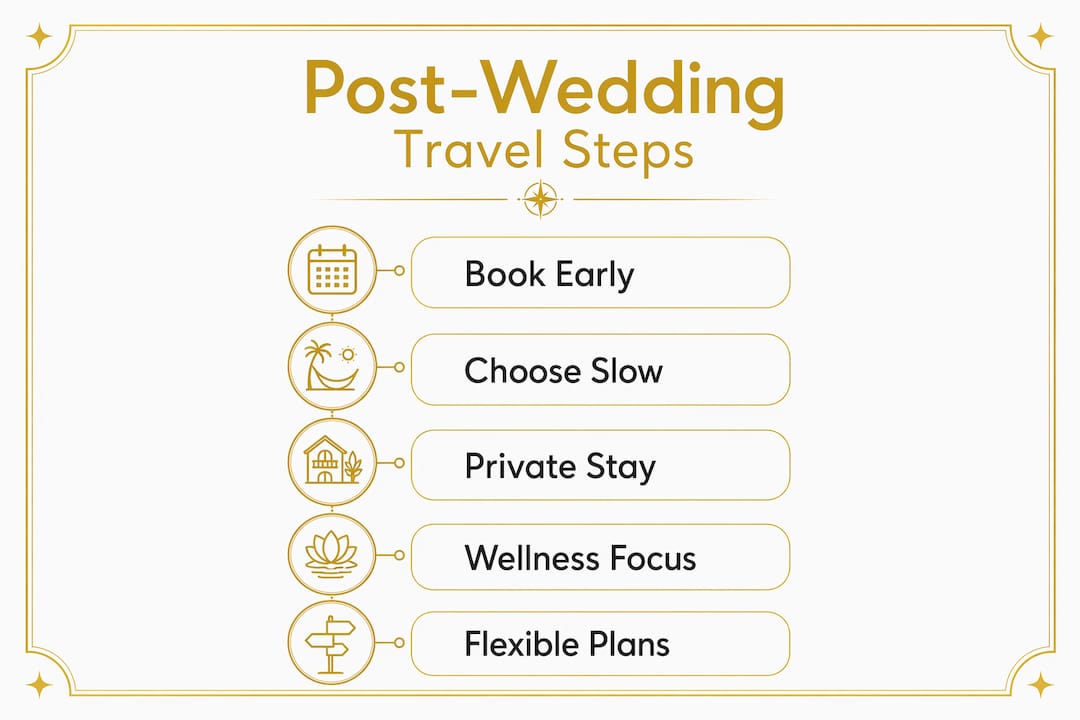
What are the most popular strategies for planning post-wedding travel?
Couples approach post-wedding travel in several distinct ways, and the right strategy depends on energy levels, budget, and how soon you want to be somewhere that feels like yours.
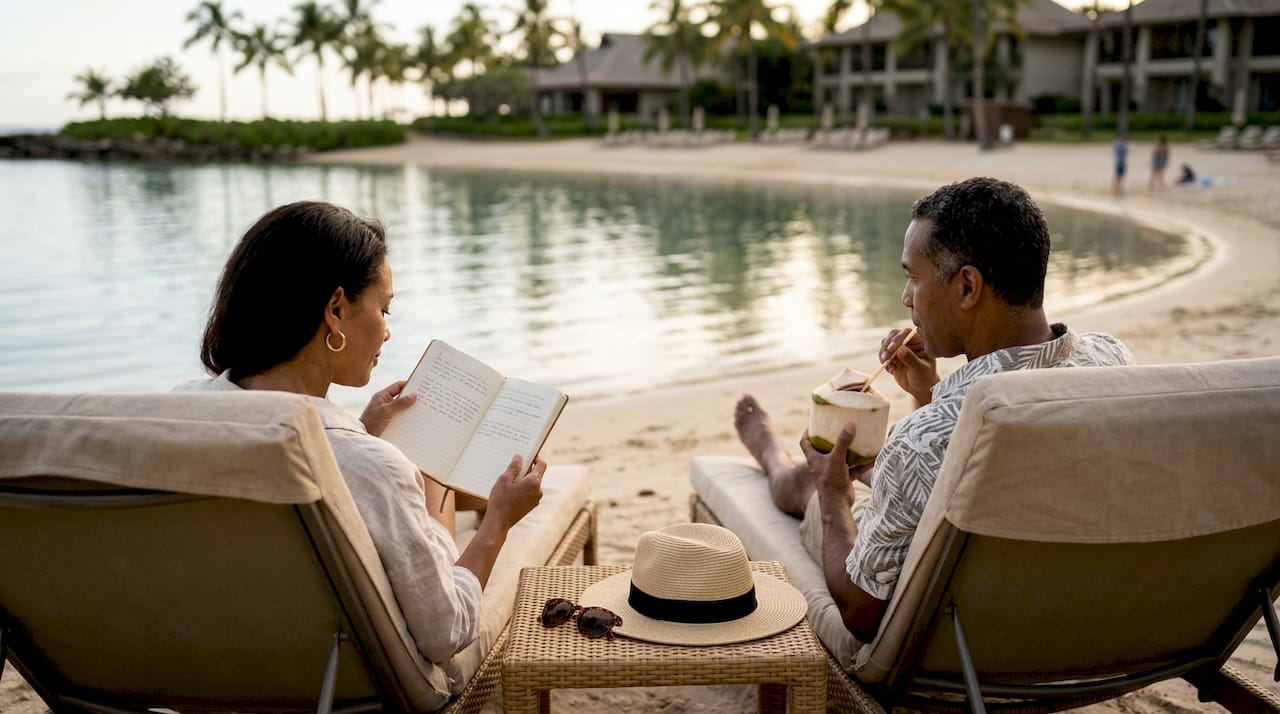
The minimoon is the most popular immediate option. A minimoon lasts 2–4 nights, allows for immediate relaxation, costs less than a traditional honeymoon, and works well with a long weekend. Many couples book a minimoon just two to four weeks before the wedding date, then plan a longer, more elaborate trip months later when they can actually enjoy it.
Domestic and staycation trips have grown considerably in appeal. In 2026, 23% of honeymoons are domestic minimoon types, chosen specifically to avoid the friction of international customs, long-haul flights, and time zone recovery. A coastal town within driving distance or a boutique hotel in a favorite city delivers genuine luxury without the logistical weight.
The deferred honeymoon pairs a short post-wedding getaway with a longer trip planned weeks or months later. This approach lets couples recover first, then travel when they have the energy to truly absorb a once-in-a-lifetime destination. Condé Nast Traveler’s Charlotte Davey put it plainly: “If we had been on a once-in-a-lifetime trip immediately afterwards, I think we might have been overwhelmed, and not made the most of the trip.”
Destination wedding extensions are a natural fit for couples who married abroad. Rather than flying home immediately, they extend their stay at or near the wedding location, transitioning from celebration to private retreat without any additional travel stress.
The buddymoon or group getaway suits couples who prefer easing into married life surrounded by close friends or family. It trades romantic isolation for shared celebration, with private moments woven into a more social structure.
A few timing principles apply across all strategies:
- Wait at least a day or two before departing; leaving on the same day or taking a red-eye after a long wedding is the most common planning mistake
- Match trip length to travel distance; a short flight warrants a shorter stay, while a long-haul destination deserves 12 or more nights
- Choose timing that aligns with your work schedules and energy, not just the calendar
How do you make post-wedding travel truly memorable and restorative?
The honeymoon is often the first unscheduled time a couple has had together in years. That deserves more than a package deal chosen because it was easy. The couples who look back on their post-wedding trip most fondly are the ones who resisted the urge to fill every day.
Expert travel planners recommend building what they call a “loose shape” rather than a rigid schedule. The first two days should involve almost nothing: eat near where you are staying, sleep, and let the jet lag or adrenaline fade. Days three through five can hold one activity each. By the end of the first week, you have found two or three things you genuinely love, and you go back to them. That is where the trip stops being a concept and starts being a memory.
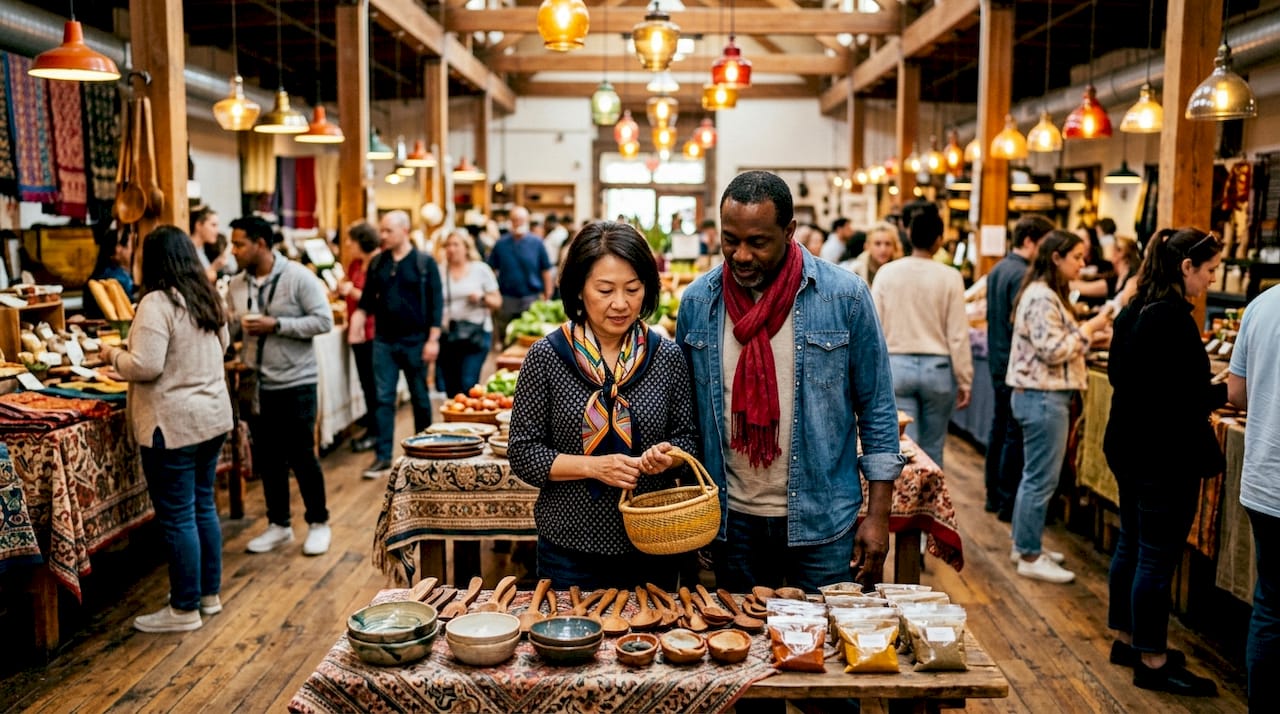
Accommodation remains the most consequential decision. A private villa or residential-style suite with a kitchen, private outdoor space, and proximity to daily life gives couples autonomy that standard hotel rooms structurally cannot. You can have a slow breakfast in your robes, step outside without navigating a lobby, and spend an evening doing nothing without it costing anything. For couples considering a waterfront setting, a sunset cruise on Lake Tahoe or a similar intimate water experience adds a memorable, low-effort highlight to an otherwise unhurried itinerary.
Wellness-focused travel is also worth considering as part of your planning. Traveler wellness programs are increasingly built around exactly the kind of restorative rhythms that post-wedding couples need: spa access, guided nature experiences, and accommodations designed for deep rest rather than constant stimulation.
The emotional dimension matters too. Post-wedding blues are real, and so is the disorientation that follows months of anticipation. Packing a few small items from the wedding, cards from guests, or a shared journal gives couples something to open together during the trip, extending the celebration in a quiet, personal way. Recovery is not just physical. It is the slow, private work of becoming a couple rather than a wedding.
Key Takeaways
A post-wedding travel experience prioritizes immediate rest, private connection, and a self-paced rhythm over sightseeing, making it distinct from a traditional honeymoon in both purpose and design.
| Point | Details |
|---|---|
| Rest before adventure | The first 48 hours after the wedding should be unscheduled; your body needs recovery before any itinerary begins. |
| Slow travel works best | Staying 7–14 nights in one place with blank days reduces burnout and deepens the restorative quality of the trip. |
| Accommodation shapes everything | A villa or residential suite with a kitchen and private outdoor space supports autonomy and self-paced comfort. |
| Timing matters | Waiting 24–48 hours before departing avoids the most common post-wedding travel mistake: exhausted travel. |
| Minimoon or deferred honeymoon | A 2–4 night minimoon offers immediate relaxation; a deferred honeymoon lets you save the grand trip for when you can truly enjoy it. |
Plan Your Post-Wedding Trip with Grandglobetrotting

Grandglobetrotting specializes in exactly this kind of travel: personal, unhurried, and designed around what you actually need after one of the most demanding days of your life. Whether you are looking for a private villa in Bali, a waterfront suite in the Caribbean, or a slow travel itinerary through the Italian countryside, the team builds every detail around your preferences, not a template.
Explore luxury hotel options curated for couples, or work with a concierge to develop a fully bespoke travel plan that fits your timeline, energy, and vision for your first days as a married couple.
Recommended
At Grand Globetrotting, we don't just plan vacations; we craft extraordinary adventures that leave you with cherished memories. Let us bring your dream vacation to life, perfectly tailored to your style, and immerse yourself in a world of luxury, exploration, and unforgettable moments. Your journey begins with us.
Itinerary planning services require a separate charge outside of cost to book travel accommodations. Depending upon the complexity of the itinerary and the level of effort required to acquire unique experiences, cost may vary. Speak with our team to learn more.
Book your consultation