
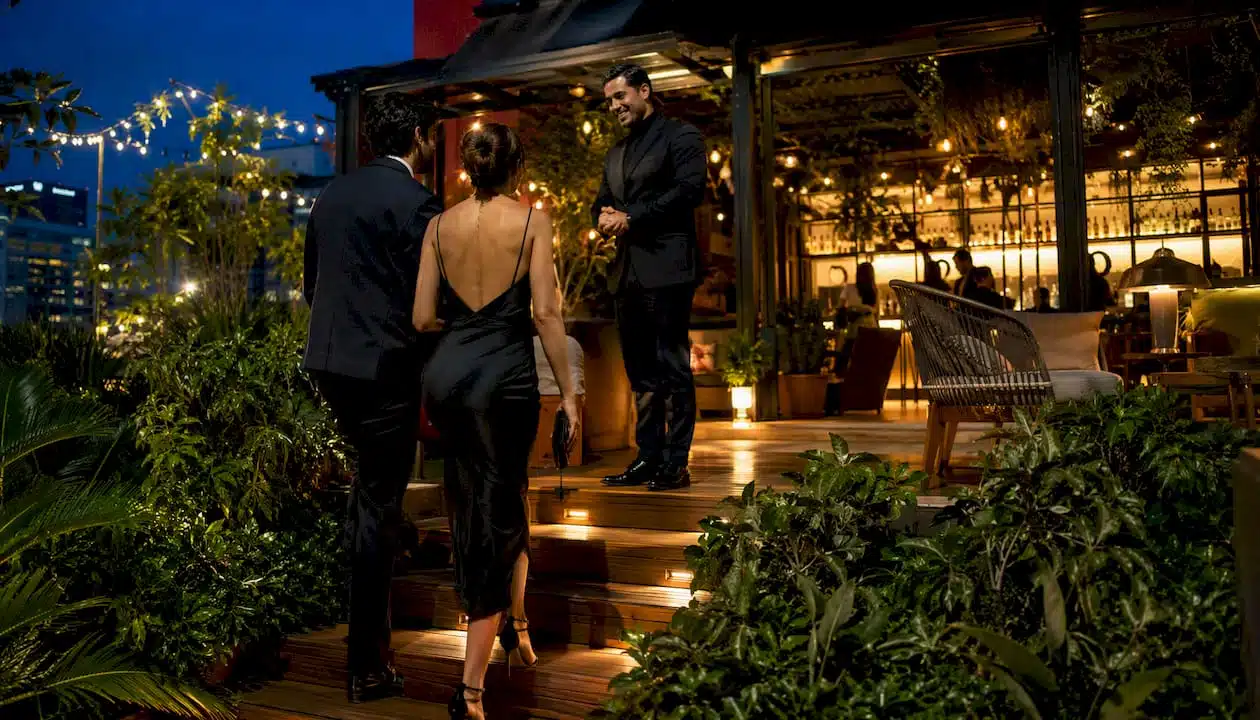
Nightlife curation is a strategic lever that transforms after-dark hours into a measurable driver of traveler satisfaction, destination loyalty, and economic value. Academic research on place attachment and tourism loyalty shows that distinctive nighttime atmospheres strengthen revisit intent, while noctourism reporting confirms that after-dark programming has shifted from a bonus to a structural part of trip planning. Practitioners like the founders of Parlor Social Club demonstrate that intentional crowd design and pre-event compatibility tools reduce social friction and raise the quality of in-person connection. This article covers the benefits for travelers and destinations, the operational mechanisms curators use, where human judgment beats algorithms, and how planners can evaluate and commission curated nightlife effectively.
Key Takeaways
Nightlife curation is a proven driver of traveler loyalty, destination spend, and place identity, and planners who treat it as a structural itinerary element rather than an add-on see measurably stronger client outcomes.
| Point | Details |
|---|---|
| Curation drives loyalty | Place attachment built through distinctive nighttime atmospheres increases revisit intent, per MDPI research on night-time tourism. |
| Noctourism is structural | Travelers now plan trips around after-dark experiences, making evening programming a booking criterion, not a bonus. |
| Human judgment is irreplaceable | Algorithms handle logistics, but crowd mix, vibe assessment, and cultural sensitivity require human taste and accountability. |
| Safety and density are foundational | High crowd density reduces perceived safety and behavioral intention unless design and restorativeness buffer the effect. |
| Grandglobetrotting’s approach | Grandglobetrotting integrates curated nightlife into bespoke luxury itineraries, with concierge logistics and local-guide partnerships. |
Table of Contents
- What nightlife curation actually is, and why it differs from a venue list
- Why curated nightlife improves the traveler experience
- How curated nightlife benefits destinations and local economies
- How curators actually build a social atmosphere
- Why human curators still outperform algorithms
- What operators must get right: safety, density, and inclusivity
- How travel planners evaluate and commission nightlife curation
- US examples showing curated nightlife in practice
- How Grandglobetrotting integrates nightlife curation for luxury clients
- Cultural sensitivity and inclusivity in nightlife curation
- How curation protects community engagement and local traditions
- The case for curation that most planners miss
- Grandglobetrotting brings curated after-dark experiences to every itinerary
- Further reading and primary sources
- Sources
What nightlife curation actually is, and why it differs from a venue list
Nightlife curation is the intentional programming, crowd management, and narrative framing of after-dark experiences. A curator does not simply list venues or sell tickets. They decide who attends, in what sequence, in what environment, and with what social context, shaping the atmosphere before a single guest arrives.
Generic listings and ticket marketplaces hand travelers a catalog and leave the rest to chance. Curation adds four things those platforms cannot: taste (a human judgment about what fits this audience), sequencing (the right experience at the right time of night), crowd mix (guests who will raise the social quality of the room), and host accountability (someone responsible when the atmosphere falls short).
Curated formats include themed music nights built around a specific genre or artist era, membership-based social clubs that vet attendees for compatibility, and hotel-led after-dark programming that ties local culture to the property’s identity. Each format controls a different set of variables.
The main components a curator actively manages:
- Programming: the event concept, performers, and activity sequence
- Crowd mix: who is invited, how, and in what ratio
- Space design: lighting, layout, sightlines, and sensory atmosphere
- Timing: start times, pacing, and duration relative to the broader itinerary
- Partnerships: local guides, venues, artists, and hospitality brands
Why curated nightlife improves the traveler experience
Curation reduces decision friction and raises the odds a traveler will have a memorable, safe evening. Travelers already suffer from the paradox of choice when confronted with oversized nightlife listings. A curated shortlist moves them from browsing to confident booking by cutting cognitive load and replacing uncertainty with a trusted recommendation.
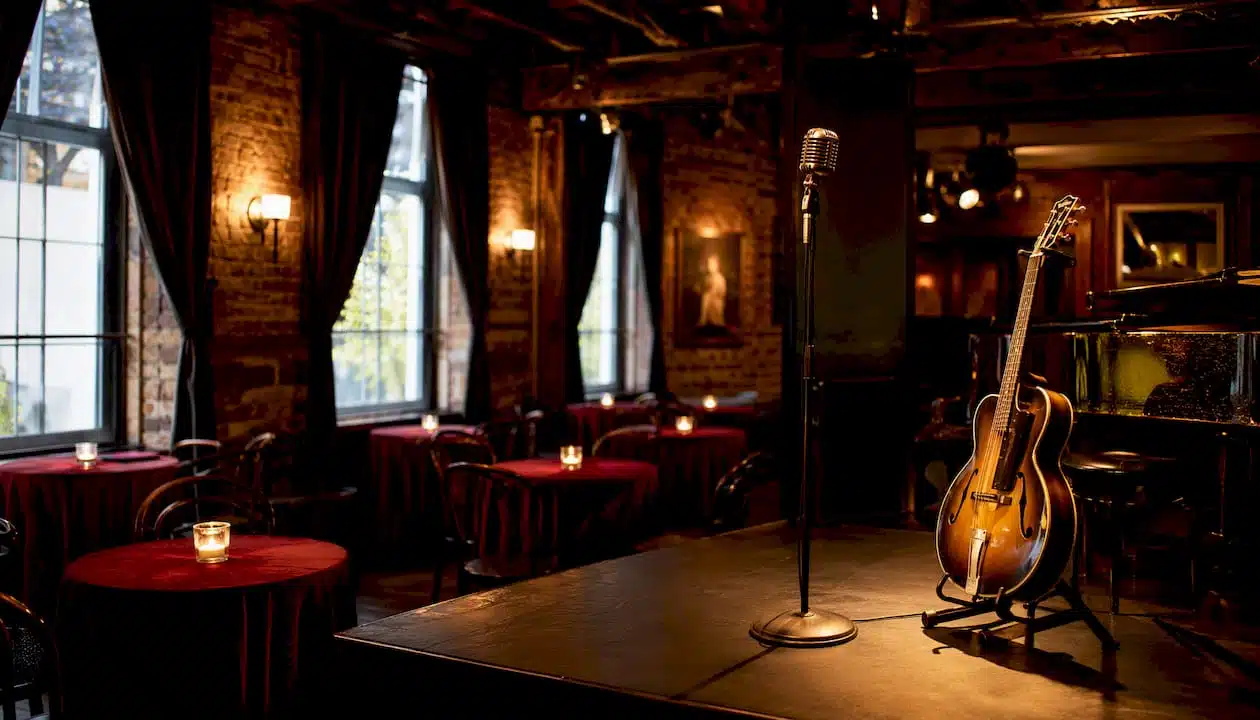
Noctourism reporting documents a clear shift: a growing share of travelers now plan trips around scheduled after-dark experiences, treating evening programming as a booking criterion rather than an afterthought.
The direct benefits for travelers are concrete:
- Better taste fit: a curated program matches the traveler’s preferences rather than defaulting to the most popular or most advertised option.
- Managed environments: curators control capacity, lighting, and staff presence, which raises perceived safety and comfort.
- Easier logistics: pre-arranged transport, timing, and reservations remove the friction of improvising after dark in an unfamiliar city.
- Stronger social connections: crowd curation means the people in the room are more likely to share interests, raising the quality of spontaneous interaction.
- Higher perceived value: a well-sequenced evening feels worth more than the sum of its parts.
Research on place attachment and tourism loyalty finds that distinctive nighttime atmospheres act as a strong mediator of loyalty, meaning a traveler who has a genuinely memorable evening is significantly more likely to return to that destination.
Consider a traveler building a long weekend in New Orleans around a curated jazz and cocktail night at a historic venue, with a pre-selected guest list and a local musician as host. That single evening anchors the entire trip in memory and drives the decision to return.
How curated nightlife benefits destinations and local economies
Curated nightlife drives longer stays and higher per-visitor spend by converting evening hours, which would otherwise be unstructured, into bookable, revenue-generating experiences. This is the core economic argument for noctourism as a destination strategy.
Economic and placemaking benefits include:
- Extended itineraries: travelers who have a confirmed evening program stay an extra night rather than departing after dinner.
- Diversified revenue: spend shifts from daytime retail and dining into late-night hospitality, entertainment, and transport, spreading economic benefit across more businesses.
- Stronger place identity: a destination known for a distinctive after-dark culture attracts press, social media coverage, and repeat visitors who identify with that identity.
- Tourism loyalty: place attachment built through memorable nighttime experiences correlates with higher revisit intent, as the MDPI study on night-time tourism confirms.
- Neighborhood investment: concentrated after-dark programming raises foot traffic in specific districts, attracting further hospitality and retail investment.
Boutique hotels that integrate local culture into their guest programming illustrate this dynamic well. Properties that act as cultural gateways through curated experiences see stronger guest satisfaction scores and more organic word-of-mouth than those offering only standard amenity packages.
Pro Tip: Track “evening spend as a percentage of total trip spend” as a KPI rather than just overall visitor numbers. Destinations that move this metric upward are successfully converting passive evening hours into economic activity, a far more precise signal of curation’s impact than aggregate tourist counts.
How curators actually build a social atmosphere
University of Bath ethnographic research identifies three core mechanisms firms use to stage social atmospheres: cultivation, selection, and mystification. Programming and partnerships sit alongside these as the operational levers that bring the concept to life.
| Mechanism | Primary objective | Typical tactics | KPIs to track |
|---|---|---|---|
| Cultivation | Build a desirable community over time | Membership programs, referral networks, brand partnerships | Community growth rate, referral ratio |
| Selection | Control who enters each event | Application processes, guest list review, tiered access | Crowd satisfaction scores, complaint rate |
| Mystification | Sustain exclusivity and desire | Limited information, surprise elements, invite-only tiers | Waitlist length, media mentions |
| Programming | Shape the experience sequence | Themed nights, performer curation, timing design | Net Promoter Score, return attendance |
| Partnerships | Extend reach and add authenticity | Local guides, venue collaborations, brand co-hosting | Partner retention, co-branded reach |
Scholarly research on social atmosphere dynamics adds an important caution: overgrowth or poor selection dilutes the atmosphere that made an event desirable in the first place. Scale carefully, or the exclusivity that drives loyalty erodes.
For a planner commissioning curation, the high-level implementation sequence typically runs: define the target audience profile (weeks 1–2), identify and brief venue and programming partners (weeks 3–5), run a pilot event with a controlled guest list (week 6–8), gather feedback and adjust crowd mix and programming, then scale to a regular series.
Why human curators still outperform algorithms
Algorithms are efficient at logistics but cannot replace human taste and scene-reading. A platform can surface available venues, match price points, and route transport. It cannot judge whether the crowd in a room will generate warmth or tension, or whether a particular performer will land with a specific audience on a specific night.
Tasks that benefit from human judgment and local expertise:
- Reading crowd energy and adjusting programming in real time
- Vetting guest compatibility for membership or social club events
- Navigating culturally sensitive programming decisions
- Building trust with local artists, venues, and community stakeholders
Tasks where algorithms genuinely help:
- Availability checks and booking logistics across multiple venues
- Personalization filters based on stated traveler preferences
- Routing and transport coordination for multi-stop evenings
- Post-event data aggregation for feedback and KPI tracking
The strongest operators combine both. Next-generation luxury travel planning uses technology to handle the logistics layer while keeping human expertise at the center of taste, programming, and atmosphere decisions.
What operators must get right: safety, density, and inclusivity
The single priority that underpins successful curation is perceived safety combined with appropriate crowd density. Research published in PMC on environmental density and night-time tourism shows that high crowd density reduces perceived safety and behavioral intention unless restorativeness and design interventions buffer that effect. In plain terms: a packed room that feels chaotic drives guests away, even if the programming is excellent.
Operational controls every curator should have in place:
- Capacity planning: set hard limits and enforce them; perceived spaciousness matters as much as actual square footage.
- Lighting and sightlines: well-lit pathways and clear sightlines reduce anxiety and increase dwell time.
- Transport and last-mile logistics: safe, pre-arranged departure options are part of the experience, not an afterthought.
- Trained staff: visible, approachable staff who can de-escalate and assist signal safety to guests.
- Inclusivity protocols: accessible venues, gender-neutral facilities, and explicit codes of conduct protect all attendees.
- Noise and community management: neighbor relations and permit compliance protect the long-term viability of the program.
- Sustainability measures: waste management, energy use, and local sourcing reduce community friction and align with traveler values.
Short do/don’t list for planners:
- Do pilot at smaller capacity before scaling.
- Do collect post-event safety and comfort feedback separately from general satisfaction.
- Don’t prioritize headcount over crowd quality.
- Don’t launch without a written contingency plan for crowd incidents or weather.
How travel planners evaluate and commission nightlife curation
The single most important evaluation criterion is a curator’s demonstrated ability to shape the right crowd and measure its effect. Programming creativity matters, but a beautiful event with the wrong audience delivers poor outcomes.
Questions to ask any curator before commissioning:
- What is your curation philosophy, and how do you define the right crowd for this audience?
- What metrics do you use to measure success, and can you share results from past programs?
- Can you provide sample programs or event concepts relevant to our traveler profile?
- What safety protocols do you have in place, and who is accountable on the night?
- How do you approach inclusivity, accessibility, and cultural sensitivity in your programming?
- What is your pricing model, and what cost drivers should we anticipate?
- What is your contingency plan if attendance, weather, or a performer falls through?
Cost drivers to budget for: curator and host staffing, targeted marketing to the right cohort, any space modifications for atmosphere or accessibility, and safety and transport logistics. These are not optional line items; they are what separates a curated experience from a generic event.
US examples showing curated nightlife in practice
Hotel-led after-dark programming: Several luxury properties in cities like New York and Chicago now build weekly themed evenings into their guest programming, from jazz residencies in lobby bars to rooftop stargazing nights with local astronomers. The lesson: the hotel becomes the anchor, and guests plan their stay around the programming rather than the room rate.
Membership and social club model: Parlor Social Club demonstrates how membership-based curation, combined with pre-event compatibility previews, reduces social friction and raises the quality of in-person connection. Attendees arrive knowing the room has been curated for compatibility, which lowers the social stakes and raises engagement. For US planners, this model translates well to corporate travel and incentive groups.
City-run noctourism festivals: Cities including Austin and New Orleans have built formal after-dark festival programming that coordinates venues, transport, and safety across entire neighborhoods. These programs extend average visitor stays and concentrate spend in specific districts. Local adaptation notes for US planners: permit timelines vary significantly by city, neighborhood relations require early engagement, and transport partnerships with rideshare platforms are often the fastest path to solving last-mile logistics.
Travelers increasingly research nightlife before arrival, with short-form video and saved social posts shaping expectations before they land. That pre-trip research creates a mismatch risk when the curated experience does not match the content they saw, which makes consistency of quality a non-negotiable operational standard.
How Grandglobetrotting integrates nightlife curation for luxury clients
Grandglobetrotting builds curated after-dark programming directly into bespoke itineraries, treating evening experiences as a core itinerary element rather than an optional add-on. The approach draws on personalized luxury travel planning principles, matching each client’s social preferences, cultural interests, and comfort level with the right venues, crowd environments, and programming formats.
Service features that support this approach:
- Concierge logistics: pre-arranged transport, reservations, and timing coordination so clients move through the evening without friction.
- Local-guide partnerships: access to hosts and insiders who know which rooms will deliver the right atmosphere on a given night.
- Hotel programming integration: coordination with luxury hotel partners to align property-led evening events with the client’s itinerary.
- Private and access-only experiences: entry to events and venues not available through standard booking channels.
Cultural sensitivity and inclusivity in nightlife curation
Authentic nightlife curation requires genuine engagement with local culture, not a surface-level aesthetic borrowed for atmosphere. Research on urban nightlife landscapes shows that romanticization and commercialization of nightlife can erode the authenticity that made a destination’s after-dark culture distinctive in the first place. Curators who treat local traditions as props rather than living practices produce experiences that feel hollow to culturally aware travelers.
Inclusivity is both an ethical standard and a practical quality signal. A curated evening that excludes guests based on identity, ability, or background fails its own premise. Effective inclusivity protocols include accessible venue selection, programming that reflects the actual diversity of the local community, and explicit codes of conduct that staff are trained to enforce.
For luxury travelers, cultural sensitivity also means understanding when a local tradition is meant to be observed rather than participated in, and when genuine participation is welcomed. That distinction requires human judgment and local knowledge, not a checklist.
How curation protects community engagement and local traditions
Nightlife curation, done well, acts as a preservation mechanism for local cultural traditions rather than a force that displaces them. When curators build programming around local musicians, artists, and culinary traditions, they create economic incentives for those traditions to continue. A jazz night that pays local musicians fairly and draws an audience that genuinely values the form does more for that tradition than a tourism board brochure.
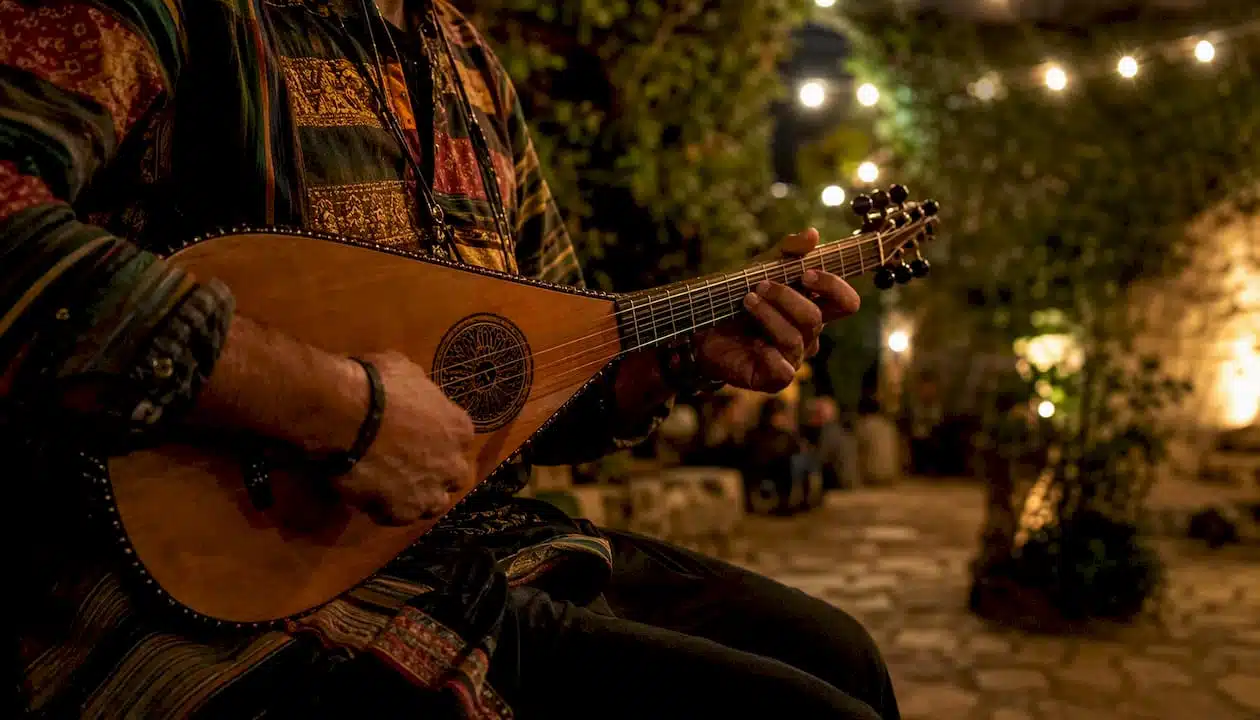
Community engagement requires curators to involve local stakeholders in programming decisions, not just as performers or vendors but as co-designers. Neighborhoods that feel ownership over after-dark programming are more likely to support it through permit processes, noise tolerance, and word-of-mouth. Those that feel excluded tend to resist, and rightly so.
The risk of commercialization is real. Research on nightlife landscape trajectories identifies how spatial aesthetics and historical assets can be co-opted in ways that hollow out authenticity over time. Curators who prioritize short-term novelty over long-term community relationships tend to exhaust the very cultural assets that made a destination worth visiting.
The case for curation that most planners miss
Nightlife curation is often treated as a hospitality amenity, a nice detail that distinguishes a premium itinerary from a standard one. That framing undersells it. The after-dark hours are when travelers are most socially open, least task-focused, and most likely to form the emotional memories that drive loyalty and word-of-mouth. A well-curated evening does not just fill time; it shapes how a traveler remembers the entire trip.
The practitioners who understand this build nightlife programming into the itinerary architecture from the start, not as a last-minute addition. They treat crowd mix with the same rigor as hotel selection. They measure evening spend and revisit intent as primary KPIs, not secondary ones. And they recognize that the human judgment required to read a room, adjust a program, or navigate a cultural nuance is not something a booking platform can replicate.
For luxury travelers, the difference between a curated evening and a generic one is often the difference between a trip they recommend to everyone they know and one they describe as “fine.” That gap is where curation earns its value.
Grandglobetrotting brings curated after-dark experiences to every itinerary
For travelers who want their evenings to be as considered as their hotel or flight, Grandglobetrotting offers bespoke itinerary planning that treats nightlife as a first-class element of the trip. Every itinerary is built around the client’s specific preferences, from the social atmosphere they want to the cultural experiences they find most meaningful, with concierge logistics handling every detail so the evening unfolds without friction.
Whether you are planning a honeymoon in New Orleans, a cultural city break in Chicago, or a group incentive trip that needs a memorable after-dark program, Grandglobetrotting’s advisory team can design access-only experiences and curated evenings that become the highlight of the trip. To start building an itinerary that includes thoughtfully curated nightlife, book a planning consultation with the team today.
Further reading and primary sources
The sources below span peer-reviewed research, industry reporting, and practitioner interviews, offering planners and researchers a grounded foundation for understanding noctourism and nightlife curation.
| Source | Type | Focus |
|---|---|---|
| Night-time place attachment and tourism loyalty | Academic study | Place attachment, nighttime atmosphere, and revisit intent |
| Environmental density, perceived safety, and night-time tourism | Academic study | Crowd density, perceived safety, and behavioral intention |
| Curating the crowd: social atmosphere staging | Ethnographic research | Cultivation, selection, and mystification mechanisms |
| Noctourism gains momentum | Industry reporting | After-dark trip planning trends |
| BTN exclusive: Molly Cooper, Curated Spaces | Practitioner interview | Human curation vs. algorithmic logistics |
| Parlor Social Club and curated connection | Practitioner profile | Membership-based social curation model |
| Urban nightlife landscapes | Humanities research | Romanticization, commercialization, and authenticity |
Sources
- Night-time place attachment and tourism loyalty (MDPI article)
- Environmental density, perceived safety, and night-time tourism (PMC article)
- Curating the crowd: how firms manage social fit to stage social atmospheres (University of Bath research portal)
- Noctourism gains momentum as travelers plan trips around after-dark experiences (Seattle Times)
Recommended
At Grand Globetrotting, we don't just plan vacations; we craft extraordinary adventures that leave you with cherished memories. Let us bring your dream vacation to life, perfectly tailored to your style, and immerse yourself in a world of luxury, exploration, and unforgettable moments. Your journey begins with us.
Itinerary planning services require a separate charge outside of cost to book travel accommodations. Depending upon the complexity of the itinerary and the level of effort required to acquire unique experiences, cost may vary. Speak with our team to learn more.
Book your consultation