

TL;DR:
- Planning outdoor family trips requires careful activity selection to suit all ages, interests, and safety needs. Choosing experiences like waterfall hikes, river tubing, or wildlife visits can maximize enjoyment while respecting budgets and physical capabilities. Flexibility, preparation, and a positive attitude are key to creating memorable adventures that children will cherish and want to repeat.
Planning an outdoor trip with the whole family sounds exciting until you realize everyone has different energy levels, interests, and tolerances for getting muddy. The right family adventure activity ideas can turn a weekend getaway into a memory your kids talk about for years. But finding activities that genuinely work for every age group — thrilling for the adults, safe for the little ones, and engaging enough to pull everyone off their screens — takes more thought than most families expect. This guide covers how to evaluate, plan, and execute the best outdoor family activities with confidence and a lot less guesswork.
Table of Contents
- Key takeaways
- How to evaluate and choose family adventure activities
- Top outdoor family adventure activity ideas for 2026
- Side-by-side comparison of top activity options
- Tips for planning a successful family adventure outing
- Budget-friendly adventure ideas and hidden gems
- My perspective: what I have learned from planning family adventures
- Take your family’s adventure further with Grandglobetrotting
- FAQ
Key takeaways
| Point | Details |
|---|---|
| Use a clear selection framework | Evaluate activities by age range, physical demand, safety requirements, and budget before committing. |
| Mix education with fun | Activities that involve learning build long-term confidence without feeling like a lesson. |
| Go early for best results | Early morning outings reduce crowds, heat, and stress for the whole family. |
| Gamification keeps kids engaged | Badges and checklists on nature walks dramatically increase child participation and memory retention. |
| Budget options exist at every level | Many outstanding outdoor family activities cost under $15 per person, especially on weekday mornings. |
How to evaluate and choose family adventure activities
Not every adventure is right for every family. Before you book anything or pack the car, run each activity through a simple set of criteria that covers the essentials.
Age suitability and interest alignment
The first filter is always age. A whitewater rafting trip might thrill your 14-year-old while terrifying your 6-year-old. Look for activities with flexible participation tiers, where younger kids can engage at a gentler level while older kids and adults push further. Structured outdoor events like tree climbing and archery typically require participants aged 6+, with safety waivers and adult supervision as standard requirements.
Interest alignment matters just as much. A child who loves animals will get more from a wildlife tracking hike than a zip-line. Ask each family member for input before deciding. You will get more cooperation on the trail when everyone feels heard before you leave.
Physical demand and safety
Be honest about your family’s fitness level. A trail listed as “moderate” in a national park can mean very different things depending on elevation gain and distance. Wallace Falls in Washington, for example, offers a 4.4-mile round-trip hike with about 1,300 feet of elevation gain, making it suitable for families with moderate fitness but not ideal for toddlers or anyone with joint issues.
Always check what safety gear and supervision are provided, especially for structured adventure programs. Reliable operators include gear briefings, signed waivers, and trained guides.
Budget and timing
Cost adds up fast when you multiply per-person pricing across a family of four or more. Water activities often run $5 to $15 per person, while more specialized experiences like zip-lining cost considerably more. One smart move: check if the venue offers free or discounted entry during off-peak times.
Pro Tip: Book weekday morning slots whenever possible. Fewer crowds, cooler temperatures, and better conditions make the experience more enjoyable for everyone, and you often pay less.
Top outdoor family adventure activity ideas for 2026
Here are eight specific family adventure suggestions that deliver real value across a range of ages, budgets, and comfort levels.
1. Waterfall hiking
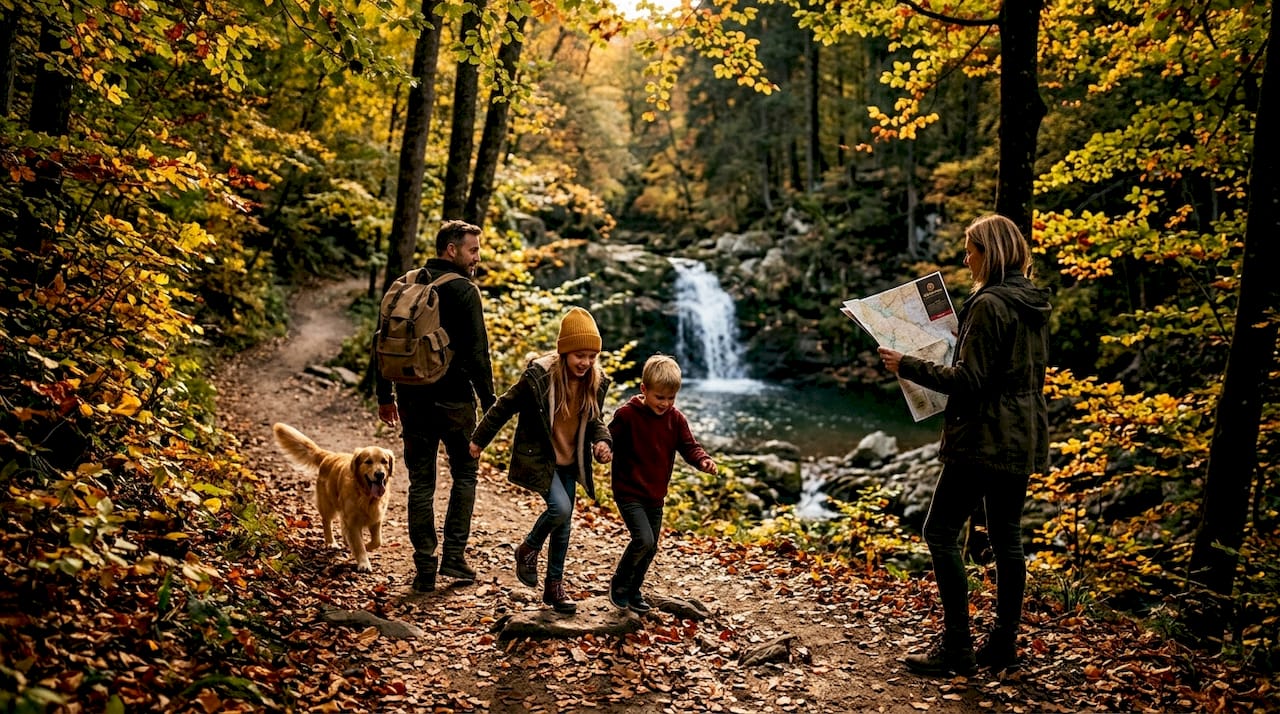
Few outdoor family activities match the payoff of a waterfall hike. You get sustained engagement on the trail and a dramatic reward at the end. Trails like Wallace Falls offer multiple waterfall viewpoints along a single route, so even if younger kids hit their limit early, the family still experiences something memorable. Pack poles for the adults and let the kids set the pace going up.
2. River tubing
River tubing is one of the best family excursions for hot summer days. It requires minimal skill, works for a broad age range, and delivers genuine excitement without the intensity of whitewater kayaking. Many outfitters provide all gear and shuttle service, making it a low-effort, high-reward outing.
3. Kayaking and paddleboarding
Calm-water kayaking and paddleboarding offer a strong blend of physical activity and nature immersion. Tandem kayaks let parents pair with younger children, while older kids can paddle their own. Look for guided tours on lakes or calm coastal inlets, where guides point out wildlife and control the pace.
4. Archery and outdoor skill programs
Structured archery programs at adventure parks or summer camps provide a unique family experience that combines focus, technique, and friendly competition. These programs typically suit children aged 6 and older, with trained instructors handling all safety protocols. The skill-building element gives kids a tangible win they feel proud of long after the session ends.
5. Tree climbing and ropes courses
High ropes courses and tree climbing experiences deliver a genuine adrenaline moment in a controlled setting. Families work through challenges together, problem-solving at height. Outdoor learning through team challenges builds children’s confidence and reduces the anxiety that comes with trying something unfamiliar.
6. Wildlife and nature center visits
Nature centers and wildlife sanctuaries offer educational depth that most outdoor family activities do not. Children interact with native species, learn about ecosystems, and often participate in hands-on programs like owl pellet dissection or bird banding. Research consistently shows that green space exposure reduces anxiety and supports positive mental health in children, making this type of outing genuinely therapeutic.
7. Scavenger hunts and nature walks with gamification
A standard nature walk becomes a completely different experience when you add a mission. Give each child a checklist of things to find: a feather, a specific leaf shape, animal tracks, or the sound of running water. Gamified nature walks significantly increase child engagement compared to unstructured walks. Badge systems work especially well for younger children who respond to tangible rewards.
8. Farm and orchard experiences
Fruit picking at a farm is one of the most underrated fun family outing ideas available. Children learn where food comes from, practice patience, and take real pride in the harvest they bring home. Early morning visits give you the best produce, cooler conditions, and far fewer crowds than afternoon arrivals. Many farms also include farm animal interactions and picnic areas, rounding out the experience.
Pro Tip: For families with kids under age 7, prioritize activities with a clear endpoint they can see or anticipate. Open-ended activities with no visible finish line often lead to frustration and early meltdowns.
Side-by-side comparison of top activity options
Use this table to quickly match an activity to your family’s specific needs before committing.
| Activity | Age suitability | Cost range | Physical level | Location type | Educational value |
|---|---|---|---|---|---|
| Waterfall hiking | 5+ (moderate fitness) | Low ($0–$15) | Moderate | Forest/trail | High (ecology, geography) |
| River tubing | 6+ | Low–Medium ($15–$40) | Low | River/waterway | Low–Medium |
| Kayaking/paddleboarding | 5+ (tandem option) | Medium ($25–$60) | Low–Moderate | Lake/coastal | Medium (wildlife, navigation) |
| Archery programs | 6+ | Medium ($20–$50) | Low | Outdoor venue/park | Medium (focus, technique) |
| Ropes/tree climbing | 6+ | Medium ($30–$60) | Moderate–High | Adventure park | Medium (problem-solving) |
| Wildlife/nature center | All ages | Low ($5–$20) | Low | Nature center | High (ecology, biology) |
| Scavenger hunt/nature walk | All ages | Free–Low | Low | Park/neighborhood | High (observation, science) |
| Farm/orchard visit | All ages | Low ($10–$25) | Low | Farm | High (agriculture, food) |
This table is most useful when you cross-reference the physical level column with what your youngest child can realistically handle on a given day. A high physical demand means little if everyone is exhausted before you arrive.
Tips for planning a successful family adventure outing
Preparation separates a smooth adventure from a stressful one. A few targeted strategies make a measurable difference.
- Start with gear. Specialized gear for challenging conditions like one-piece rain suits and kid-safe headlamps can completely change a child’s experience in wet or low-light situations. Do not skip this step for early morning or all-weather activities.
- Assign roles. Give each child a specific job: one carries the snack bag, one holds the trail map, one is the designated wildlife spotter. Role assignments increase investment and reduce complaints.
- Plan for weather flexibility. Check forecasts the night before and have a backup plan. A nature center visit makes an excellent alternative when a hike becomes impractical.
- Build in unstructured time. Over-scheduled adventure days exhaust children. Leave space for spontaneous exploration, rock skipping, or simply sitting by water.
- Review any safety requirements in advance. For activities requiring safety waivers and adult supervision, read the documents before arriving so nothing slows your start.
Pro Tip: Pack a small reward bag with stickers, a new book, or a special snack revealed only at the trailhead. The anticipation alone raises spirits before the activity even begins.
Budget-friendly adventure ideas and hidden gems
Some of the most memorable outdoor family activities cost very little. The key is knowing where to look.
- Local and state parks. Many state parks offer free entry on designated days throughout the year. National Park Service passes, at around $80 annually, pay for themselves quickly for families who go more than twice.
- Community nature centers. These often host free weekend programs with expert-led walks, crafts, and wildlife encounters that rival paid experiences in depth and engagement. Outdoor activities that break screen time barriers do not need to be elaborate or expensive.
- DIY backyard or neighborhood setups. A homemade obstacle course, backyard stargazing night, or neighborhood nature scavenger hunt delivers genuine adventure without any entry fee. Let the kids design the course themselves for an extra layer of ownership.
- Early access opportunities. Public venues often allow free or discounted entry before 8 AM. Visiting before the crowds arrive makes even a familiar local spot feel like a discovery.
Families who prioritize experiences over logistics consistently report higher satisfaction with their outings, regardless of what they spent. For more ideas on family vacation essentials, Grandglobetrotting covers the practical side in depth.
My perspective: what I have learned from planning family adventures
I have spent years helping families design trips that actually work in practice, not just on paper. The honest truth I keep coming back to is this: the activity itself matters far less than how prepared and present you are when you do it.
I have watched families complete a high-end whitewater excursion and spend the whole debrief arguing about logistics. I have also seen a family spend an afternoon turning a muddy riverbank into an afternoon of pure joy with nothing but sticks and a shared sense of curiosity. The throughline is always attitude and flexibility, not the itinerary.
What I have found actually works is treating the adventure as a frame, not a performance. You are not trying to give your children a perfect day. You are giving them a story they will tell. When a hike gets rained out or an activity runs short, the families who adapt quickly and laugh about it are the ones who leave with the best memories.
My strongest advice: resist the urge to fill every moment. Leave room for the unexpected detour, the roadside waterfall, the animal track no one expected to find. Those are the moments families return to again and again. And if you want to go further and experience something truly curated — a premium adventure trip designed around your family’s specific interests — the investment in planning time pays dividends in the actual experience.
— Sandon
Take your family’s adventure further with Grandglobetrotting
Researching, comparing, and booking the right family adventure is genuinely time-consuming. Grandglobetrotting was built precisely to remove that burden for families who want extraordinary experiences without the planning fatigue.

Whether you are looking for a curated hiking and wildlife expedition in a remote national park, a luxury river cruise with private excursion packages, or a fully tailored multi-destination family itinerary, Grandglobetrotting’s concierge team handles every detail. Explore luxury family excursion ideas that go well beyond the standard checklist, or connect with the team directly for personalized travel planning built around your family’s pace, preferences, and passions. Every itinerary is crafted specifically for you.
FAQ
What are the best family adventure activities for young children?
Farm visits, gamified nature walks, and wildlife center visits work exceptionally well for children under 6. These activities offer clear structure, low physical demand, and high sensory engagement without requiring advanced fitness or coordination.
How do I keep kids engaged during outdoor family activities?
Gamification tools like badge earning, checklists, and role assignments significantly boost engagement on nature walks and hikes. Giving each child a specific job or goal sustains focus throughout the outing.
How much do outdoor family adventures typically cost?
Most water-based and nature activities run between $5 and $15 per person for basic entry. More specialized experiences like zip-lining or guided kayak tours range from $30 to $60 per person, depending on location and duration.
What safety steps should families take before adventure outings?
Review all safety requirements and waivers before arriving, confirm minimum age requirements, and pack appropriate gear for the terrain and weather. For activities with height or water, always verify that certified guides and proper equipment are included.
Are there good family adventure options for families on a tight budget?
Absolutely. DIY scavenger hunts, state park hikes, and community nature center programs frequently cost little to nothing. Early morning visits to farms and parks often include discounted or free entry and the added benefit of smaller crowds.
Recommended
At Grand Globetrotting, we don't just plan vacations; we craft extraordinary adventures that leave you with cherished memories. Let us bring your dream vacation to life, perfectly tailored to your style, and immerse yourself in a world of luxury, exploration, and unforgettable moments. Your journey begins with us.
Itinerary planning services require a separate charge outside of cost to book travel accommodations. Depending upon the complexity of the itinerary and the level of effort required to acquire unique experiences, cost may vary. Speak with our team to learn more.
Book your consultation