
TL;DR:
- Dining experiences in corporate travel significantly enhance employee satisfaction, client trust, and cultural cohesion. Strategic, curated meals and venue choices communicate organizational values and foster stronger relationships, making dining a vital part of travel programs. Proper documentation and understanding traveler preferences are essential for optimizing satisfaction and ensuring expense compliance.
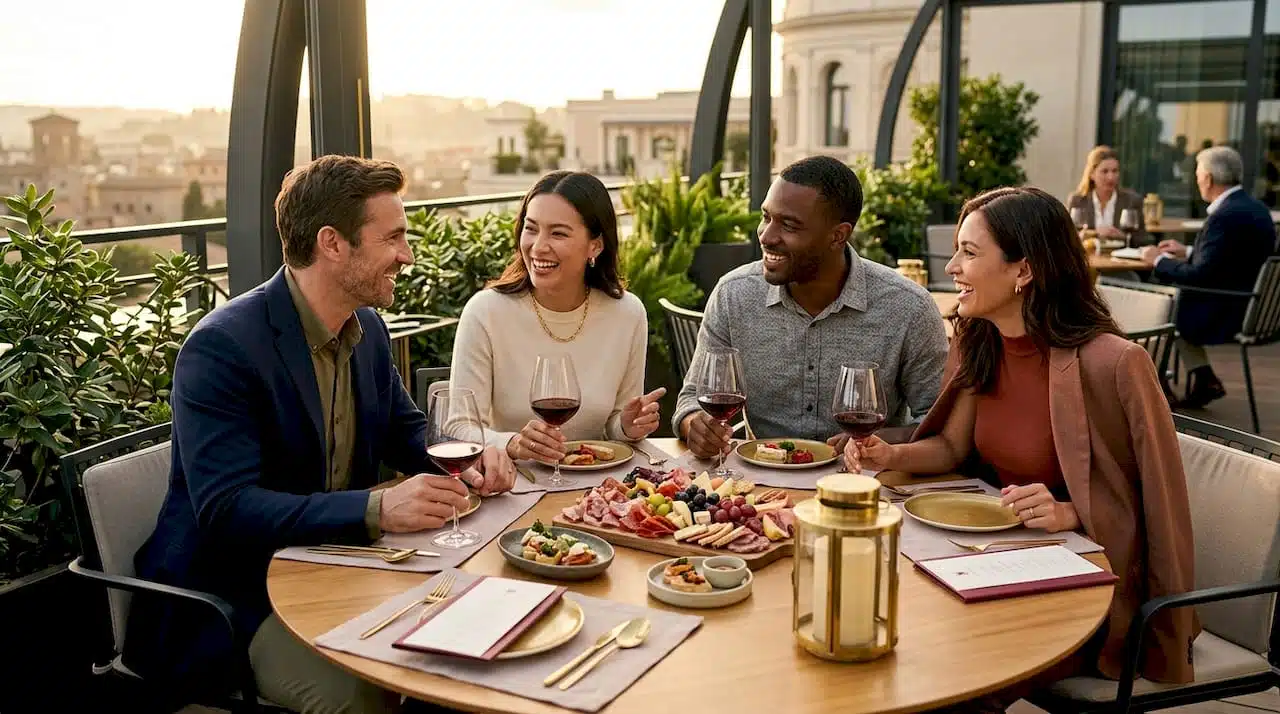
Dining experiences in corporate travel are a direct driver of employee satisfaction, client trust, and cultural cohesion across business trips. Travel managers who treat meals as incidental line items are leaving measurable value on the table. The 2026 Navan/Skift State of Corporate Travel report confirms that 90% of business travelers view travel as an essential investment, which means every touchpoint, including what and where travelers eat, shapes the return on that investment. This guide gives corporate travel managers and executives a data-backed framework for turning dining into a strategic asset.
How dining experiences shape culture and satisfaction on business trips
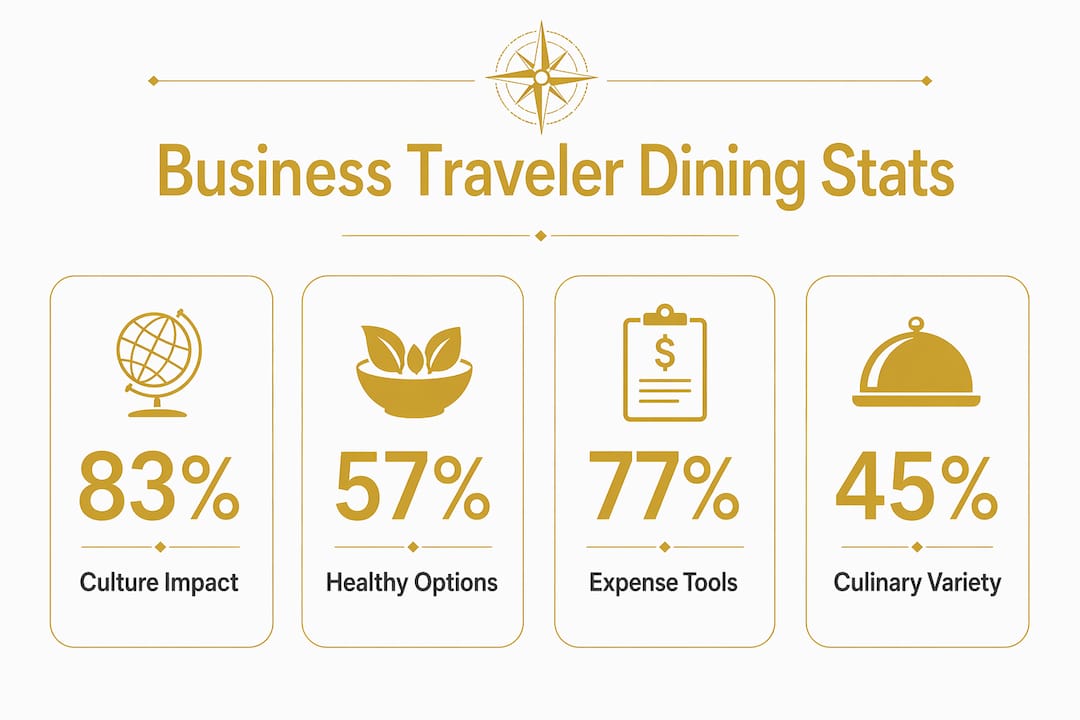
The connection between food and workplace culture is well documented, and it transfers directly to the road. 83% of workplace leaders say food has a moderate to significant impact on workplace culture, according to Fooda’s May 2026 survey of leaders across more than 100 companies. That number carries serious weight. It means most executives already accept that meals shape how people feel about their work environment, yet the same report reveals that only 10% of organizations run experience-driven food programs, and roughly one-third have no food program at all.
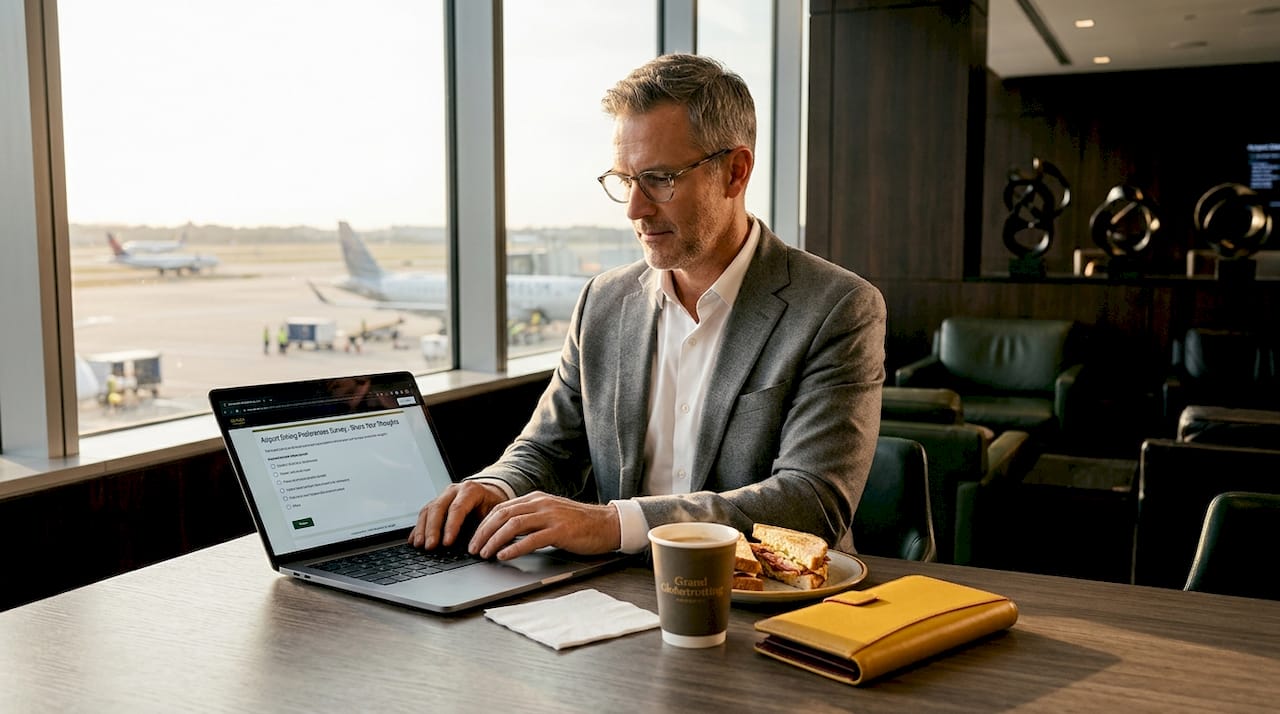
The gap between recognition and action is the opportunity. When employees travel for work, they are removed from their home routines and support systems. A thoughtfully designed dining experience, whether a curated group dinner or a pre-vetted list of local restaurants near the hotel, signals that the organization values their comfort. JLL’s Workforce Preferences Barometer found that 62% of employees say food and beverage amenities influence their desire to attend onsite work. The same psychology applies when the office is a hotel conference room in Chicago or a client site in Singapore.
Designing intentional dining offerings during corporate travel does not require a massive budget. It requires deliberate choices. Consider these program elements that travel managers can build into trip planning:
- Curated restaurant shortlists tailored to the destination city, filtered by dietary needs and cuisine variety
- Pre-arranged group dinners at venues that reflect the company’s culture and values
- Per diem flexibility that allows travelers to choose quality meals without administrative friction
- Local culinary experiences that double as team-building moments, such as a cooking class or a chef’s table reservation
Pro Tip: When building a dining program for traveling employees, survey them on dietary preferences and cultural food values before the trip. A single intake form reduces last-minute friction and shows genuine care for individual needs.
What do business travelers actually want from dining options?
Business travelers have clear preferences, and the data from Cvent’s 2026 research is specific. 57% of business travelers want restaurant suggestions during their trip, and 58% want exclusive deals or discounts at dining venues. These are not passive wishes. They reflect a real friction point: travelers on tight schedules do not have time to research restaurants in an unfamiliar city, and they expect their travel program to reduce that burden.
Dining curation in business travel is part of traveler enablement, not a luxury add-on. When a travel manager pre-selects three or four quality restaurant options near a meeting venue, the traveler spends less mental energy on logistics and more on the work itself. This is the operational case for investing in business travel dining options as a program feature rather than an afterthought.
Traveler preferences cluster around several consistent themes:
- Proximity to the meeting venue or hotel, reducing transit time on already packed schedules
- Dietary accommodation, including vegetarian, vegan, halal, and allergen-aware menus
- Local authenticity, with many travelers preferring regional cuisine over familiar chain restaurants
- Speed of service, particularly for working lunches where time is constrained
- Price transparency, so travelers know what falls within policy before they sit down
Travel managers who address these preferences through pre-trip communication and curated dining recommendations see measurably higher traveler satisfaction. The Thomas Cuisine case study from April 2026 showed that upgrading a corporate dining program lifted satisfaction scores from 3.5 to 3.93 and doubled survey participation, with 73% of participants rating their dining experience four or five out of five. The lesson for travel programs is clear: quality and curation move the needle.
How does dining influence client engagement and brand perception?
The role of food in corporate events and client meetings goes well beyond sustenance. Psychologist Tim Cotter, cited by IT Brief, notes that clients form impressions before they even arrive at the table, based on the nature of the invitation, the venue chosen, the timing, and who else is on the guest list. The meal itself is almost secondary to the signal the venue sends.
Venue choice in corporate dining acts as brand and value signaling. A client who values sustainability will notice if the chosen restaurant sources locally and minimizes waste. A client from a culture with specific dining customs will notice if those customs are respected or ignored. Convenience, cultural respect, and alignment with client values matter more than the quality of the entrée. This is why travel managers and executives planning client meals should treat restaurant choices for business travel as a strategic decision, not a logistical one.
The timing of business conversation during a dinner also follows a recognized pattern. The optimal window for substantive business discussion is the 15 to 20 minutes after the starter and before the main course arrives. Participants are relaxed, the social ice has broken, and conversation flows naturally without the distraction of food arriving or the formality of a meeting room. Executives who understand this rhythm close more deals and build stronger relationships at the table.
Key principles for client-facing corporate meals:
- Choose venues that reflect the client’s values, not just the host company’s preferences
- Confirm dietary restrictions and cultural considerations at least 48 hours in advance
- Brief the restaurant on service pacing to protect the natural conversation window
- Select a venue where the host has a relationship with the staff, reducing service surprises
Pro Tip: Ask the restaurant manager to hold the main course for an extra five minutes after the starter is cleared. That brief pause creates the ideal space for a relaxed, trust-building conversation before the meal’s energy shifts.
Managing dining expenses within corporate travel programs
Expense management is where the best intentions around dining culture in business trips often break down. Proper documentation for meal expenses requires the date, amount, location, business purpose, and names of all attendees. Chase’s 2026 guidance on business meal expenses makes clear that incomplete records are the primary reason meal reimbursements are delayed or denied. That administrative friction shapes traveler behavior, often pushing them toward cheaper, less strategic dining choices simply to avoid paperwork.
Travel managers can reduce this friction by building documentation templates into the pre-trip briefing. A simple digital form that captures attendee names, business purpose, and venue before the meal happens is far easier to complete in the moment than reconstructing details two weeks later. The managed corporate travel programs that integrate expense capture into the dining workflow see higher compliance and fewer reimbursement disputes.
The table below summarizes the most common corporate dining expense categories and their documentation requirements:
| Expense type | Documentation required |
|---|---|
| Client entertainment meal | Date, venue, amount, business purpose, all attendee names and titles |
| Team working lunch | Date, venue, amount, business purpose, number of attendees |
| Solo traveler meal (per diem) | Receipt with date, amount, and location; purpose implied by trip |
| Group conference dinner | Master invoice, attendee list, event purpose, approval sign-off |
| Alcohol included in meal | Itemized receipt separating food and beverage; policy compliance note |
The 77% of travel and finance managers who find their expense tools insufficient are dealing with a system that was not designed with dining complexity in mind. Addressing this gap requires both policy clarity and the right technology to capture meal data at the point of purchase.
Key takeaways
Intentional dining experiences in corporate travel directly improve employee satisfaction, client trust, and expense compliance when treated as a program feature rather than an incidental cost.
| Point | Details |
|---|---|
| Dining drives culture on the road | 83% of leaders acknowledge food’s cultural impact, yet most travel programs lack experience-driven meal planning. |
| Travelers want curated support | 57% of business travelers want restaurant suggestions; pre-vetted options reduce friction and improve satisfaction. |
| Venue signals brand values | Client impressions form before the meal begins; venue choice communicates respect, culture, and organizational identity. |
| Conversation timing matters | The 15 to 20 minutes after the starter is the optimal window for substantive business discussion at a client dinner. |
| Documentation prevents reimbursement failure | Capturing date, amount, location, purpose, and attendees at the time of the meal eliminates the most common expense errors. |
Why I think most corporate travel programs are getting dining completely wrong
After years of planning executive and corporate travel through Grandglobetrotting, I have seen the same pattern repeat itself. A company invests significantly in flights, hotels, and conference facilities, then treats the meal budget as the line item to cut first. The logic seems sound on paper. Meals feel personal and variable, so they get handed off to a per diem policy and forgotten.
What that approach misses is the compounding effect of a well-designed meal. I have watched a single dinner at the right restaurant in Tokyo or Barcelona shift a client relationship from transactional to genuinely collaborative. The venue, the pacing, the local wine list, the fact that someone took the time to learn the client’s dietary preferences: all of it communicates something that no slide deck can. It says, “We thought about you specifically.”
The data from Thomas Cuisine’s 2026 case study reinforces what I have observed firsthand. Measuring dining satisfaction and iterating on the program based on that feedback produces real, quantifiable improvements. Most corporate travel programs never measure dining satisfaction at all. They track flight delays and hotel complaints, but they have no idea whether their travelers are eating well or eating badly. That blind spot is a missed opportunity for both retention and client development.
My advice to travel managers is to treat at least two or three dining experiences per trip as designed moments, not default choices. Partner with local restaurants at your most frequent destinations. Build those relationships so your travelers receive better service and your clients receive a more memorable experience. That is not a luxury. It is a competitive advantage that shows up in renewal rates and traveler retention.
— Sandon
Plan your next corporate trip with dining built in from the start
Grandglobetrotting specializes in bespoke travel planning that treats dining as a core component of every itinerary, not an afterthought. For corporate travelers and executives, that means pre-vetted restaurant selections, curated local culinary experiences, and dining logistics handled before departure.
Whether you are planning a client entertainment trip, an executive retreat, or a multi-city roadshow, Grandglobetrotting’s concierge team integrates food experiences into the full travel design. From securing reservations at sought-after venues to coordinating dietary requirements across a group, the process is handled with the precision that executive travel demands. Explore the executive business trip planning guide to see how a fully curated approach transforms corporate travel from a logistical exercise into a genuine business asset.
FAQ
What is the role of dining experiences in corporate travel?
Dining experiences in corporate travel serve as tools for employee well-being, client relationship building, and cultural alignment. Research from Fooda and Cvent confirms that curated meals directly improve traveler satisfaction and client trust.
How do restaurant choices affect client perception during business trips?
Venue selection signals brand values and cultural awareness before a single word of business is spoken. Psychologist Tim Cotter’s research shows clients form impressions based on the invitation, venue, and guest list, not just the food itself.
What documentation is required for corporate meal expense reimbursement?
Chase’s 2026 guidance specifies that meal expense records must include the date, amount, venue location, business purpose, and the names of all attendees. Missing any of these elements is the most common cause of reimbursement delays.
How can travel managers improve dining satisfaction for business travelers?
Pre-trip surveys on dietary preferences, curated restaurant shortlists, and per diem flexibility are the three most effective levers. Thomas Cuisine’s 2026 case study showed that structured dining improvements lifted satisfaction scores by more than 12%.
When is the best time to discuss business during a corporate dinner?
The 15 to 20 minutes after the starter and before the main course arrives is the recognized optimal window. Participants are relaxed and conversation flows naturally, making it the most productive moment for substantive discussion.
Recommended
At Grand Globetrotting, we don't just plan vacations; we craft extraordinary adventures that leave you with cherished memories. Let us bring your dream vacation to life, perfectly tailored to your style, and immerse yourself in a world of luxury, exploration, and unforgettable moments. Your journey begins with us.
Itinerary planning services require a separate charge outside of cost to book travel accommodations. Depending upon the complexity of the itinerary and the level of effort required to acquire unique experiences, cost may vary. Speak with our team to learn more.
Book your consultation