

TL;DR:
- Corporate travel incentives are experience-based employee rewards that motivate high performance through personalized trips and exclusive access. These programs outperform cash by fostering loyalty, expanding recognition categories, and offering tiered rewards for sustained engagement. Successful programs focus on meaningful experiences, personalization, and recognition architecture over spectacle or destination alone.
Corporate travel incentives are experience-based employee rewards designed to motivate high performance by offering curated trips, exclusive access, and personalized itineraries that cash bonuses simply cannot replicate. The industry term for this category is incentive travel, and it sits at the top of the non-cash rewards hierarchy. Research from SITE Global and Maritz confirms that incentive travel outperforms cash across every working generation, including millennials and Gen Z. The most effective examples of corporate travel incentives combine personalized itineraries, diverse recognition categories, and repeat-qualifier perks that keep employees motivated year after year.
1. examples of corporate travel incentives that deliver results
The strongest incentive travel programs share three traits: they feel personal, they feel exclusive, and they reward more than just the top salesperson. Below are the most proven formats in use today.
- Individual leisure trips. Winners receive a fully funded personal vacation, often to a luxury beach resort, a European city, or a wellness retreat. The trip is theirs to enjoy on their own schedule, which makes it feel like a genuine gift rather than a company event.
- Group incentive trips. Teams travel together to a shared destination, combining structured activities with free time. Group travel ranks second in motivation at 50%, and 54% of participants associate it with a sense of achievement.
- Adventure and experiential tours. Helicopter excursions, private safari experiences, and deep-sea diving packages attract employees who value activity over relaxation. These formats work especially well for younger workforces.
- Wellness and spa retreats. Destinations like Sedona, Bali, or the Maldives offer programs built around recovery, mindfulness, and renewal. These resonate strongly with employees experiencing burnout.
- Luxury cruise incentives. A private charter or premium cabin on a luxury cruise line combines travel, dining, and entertainment in one contained experience. Cruises work well for mid-size groups of 20–80 people.
- City immersion programs. Curated urban experiences in destinations like Tokyo, Rome, or New York pair cultural access with fine dining and private tours. These programs appeal to employees who prefer discovery over relaxation.
Pro Tip: Run a short preference survey before finalizing the destination. Knowing whether your top performers prefer adventure, relaxation, or cultural exploration takes less than five minutes per person and dramatically increases perceived value.
2. how personalization transforms incentive travel programs
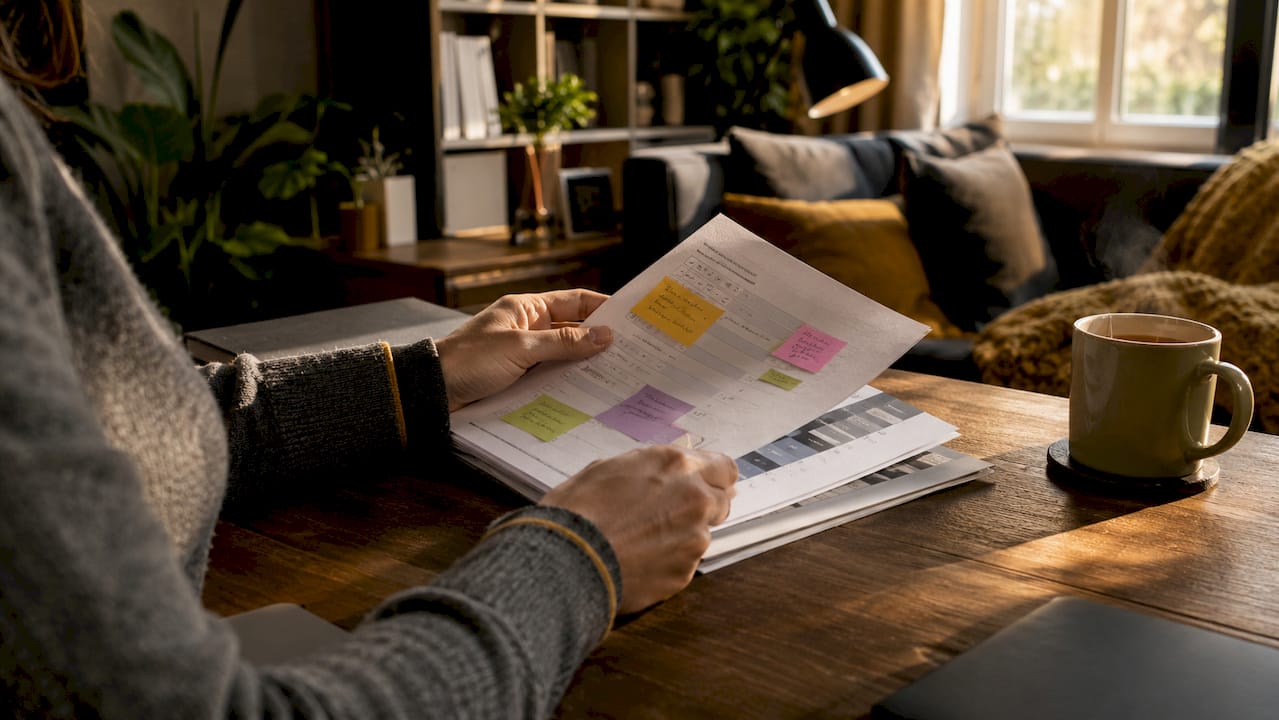
Personalization is the single biggest driver of repeat participation in corporate travel rewards programs. When employees feel the trip was designed for them, not just for a group, motivation scores rise significantly.
ITA Group’s Cloud Club program in Tulum demonstrates this clearly. The program used preference intake quizzes to match each winner with tailored excursions, dining options, and activity timing. The result was a program where 96% of winners said they were motivated to requalify, and 85% were confident the next trip would be equally extraordinary.
Here is how leading programs operationalize personalization:
- Pre-trip preference intake. A short “this or that” quiz captures activity preferences, dietary needs, and scheduling flexibility. This data feeds directly into itinerary design without adding significant logistics overhead.
- Choose-your-own-adventure formats. Winners select from a curated menu of excursions, free time blocks, and dining experiences. ITA Group’s choice-driven itinerary model shows that giving winners agency over their schedule increases satisfaction and loyalty.
- Personalized recognition touchpoints. Branded welcome gifts, handwritten notes from leadership, and personalized itinerary booklets signal that the company invested thought, not just budget.
- Flexible timing options. Allowing winners to extend their stay by one or two days at their own expense adds perceived value without increasing program costs.
Pro Tip: Pair personalized itineraries with a luxury travel planning guide to give your HR team a clear framework for building preference-driven programs without starting from scratch.
3. what recognition categories expand engagement beyond sales
Most corporate travel incentive programs start as sales contests. The most effective ones evolve far beyond that. Limiting eligibility to revenue producers creates a perception of unfairness that reduces motivation across the rest of the organization.
Atlas Meetings and Incentives redesigned their client’s program to include more than 20 distinct award categories, recognizing behaviors well beyond quota attainment. The program now sees a 50% repeat winner rate, which signals a self-sustaining motivational cycle rather than a one-time spike.
Effective recognition categories to consider include:
- Rookie of the Year. Recognizes the highest-performing new hire, giving early-career employees a clear aspirational target.
- Mentor of the Year. Rewards employees who invest time in developing others, reinforcing a culture of knowledge sharing.
- Core Value Champions. Winners are nominated by peers for consistently demonstrating company values. This category is especially powerful for culture-building.
- Customer Experience Leaders. Recognizes employees in service or support roles whose work directly shapes client satisfaction.
- Cross-Functional Collaborators. Rewards employees who work effectively across departments, encouraging behavior that breaks down silos.
- Innovation Contributors. Acknowledges employees who propose and implement process improvements, regardless of their role.
Expanding categories reduces the perception that only salespeople win. That shift alone increases company-wide buy-in and makes the incentive program a culture tool rather than a sales lever.
4. how to sustain motivation across multiple program years
A single great trip motivates employees for months. A well-designed multi-year program motivates them indefinitely. The key is building a reward structure that grows with each qualifying cycle.
Repeat-qualifier perks are the most effective mechanism for sustaining long-term engagement. ITA Group’s research shows that upgraded flights and exclusive activities for employees who qualify three or more times create longer competition cycles and higher sustained engagement. A first-time winner receives a premium experience. A third-time winner receives a suite upgrade, a private excursion, and a recognition moment in front of peers. That escalation gives high performers a reason to keep competing.
| Qualification Level | Reward Tier | Example Perks |
|---|---|---|
| First-time qualifier | Standard premium | Business class flights, four-star resort, group activities |
| Second-time qualifier | Enhanced premium | Upgraded room category, private dining experience |
| Third-time qualifier | Elite tier | Suite upgrade, exclusive excursion, leadership recognition |
| Fourth-time qualifier and beyond | Legacy status | Private villa, first-class flights, personalized itinerary |
Ongoing communications between trips are equally important. Monthly leaderboard updates, mid-year recognition events, and teaser content about the upcoming destination keep the program visible throughout the year. Employees who can visualize the reward stay engaged far longer than those who only hear about it during the qualification window.
Pro Tip: Use destination reveal events, short video previews of the upcoming trip location, and early registration perks to build anticipation months before the travel date. The pre-trip experience is part of the reward.
5. loyalty-linked travel incentives and corporate card programs
Not every corporate travel incentive takes the form of a group trip. Loyalty-linked programs and corporate card rewards represent a growing category of business trip perks that benefit both the company and the individual traveler.
American Airlines’ AAdvantage Business program rewards companies with miles while individual travelers accumulate personal loyalty points on the same booking. Premium-tier business clients can access up to 4% savings on flights, which compounds significantly for organizations with high travel volumes. This model aligns company cost savings with individual employee rewards, making every business trip feel like a personal benefit.
Corporate card programs add another layer. Engine’s corporate card offers up to 10% rewards on travel booked through its platform. Surveys from Engine show that 46% of business travelers value avoiding out-of-pocket expenses, and 38% actively seek rewards points when choosing how to book. These numbers confirm that travel-linked financial perks are a meaningful part of the broader incentive travel ecosystem.
For HR professionals, the practical takeaway is clear. Combining a formal incentive trip program with a loyalty-linked corporate card creates two distinct motivational touchpoints: the aspirational annual trip and the ongoing daily reward for every booking made.
Key takeaways
The most effective corporate travel incentive programs combine personalized itineraries, expanded recognition categories, and tiered repeat-qualifier perks to drive loyalty, retention, and sustained performance.
| Point | Details |
|---|---|
| Travel outperforms cash | Incentive travel is the top non-cash motivator across all working generations, including Gen Z. |
| Personalization drives requalification | Programs using preference intake and choice-driven formats see up to 96% requalification intent. |
| Expand recognition categories | Including 20+ award types beyond sales increases company-wide buy-in and repeat participation. |
| Tier rewards for repeat winners | Suite upgrades, private excursions, and first-class flights sustain motivation across multiple years. |
| Loyalty programs extend impact | Corporate card rewards and airline loyalty programs add daily motivational touchpoints beyond the annual trip. |
Why the best incentive programs prioritize experience over spectacle
I have worked with enough corporate travel programs to know that the most common mistake is confusing budget with impact. Companies spend heavily on a destination and then underinvest in the details that actually make employees feel seen. A five-star resort with a generic group dinner and a scheduled bus tour is not an incentive trip. It is a company retreat with better weather.
The programs that generate 89% loyalty scores, as the SITE and Maritz research documents, are the ones where winners feel the experience was built for them specifically. That requires preference data, flexible scheduling, and a willingness to let employees shape their own itinerary. It also requires recognizing that not every high-value employee is a top salesperson.
The shift toward expanded recognition categories is the most underutilized strategy I see in corporate travel planning. When a mentor, a core value champion, or a cross-functional collaborator wins a trip alongside the top revenue producer, the entire organization takes notice. That visibility changes the culture in ways that a sales contest alone never will.
My advice to any executive designing or redesigning an incentive travel program is this: start with the recognition architecture before you pick the destination. The where matters far less than the who and the why.
— Sandon
Plan your next corporate incentive trip with Grandglobetrotting
Designing a high-impact incentive travel program requires more than booking flights and hotel rooms. It requires the right properties, the right experiences, and the kind of personalized attention that makes every winner feel like the trip was built for them.
Grandglobetrotting specializes in exactly that. From curating luxury hotel selections that match your group’s profile to building fully personalized itineraries for individual award winners, the team brings deep vendor relationships and concierge-level planning to every program. Whether you are organizing a group incentive trip for 50 top performers or a bespoke individual reward for your Rookie of the Year, Grandglobetrotting’s bespoke travel planning service handles every detail with precision and care.
FAQ
What are corporate travel incentives?
Corporate travel incentives are experience-based rewards that companies offer to motivate employees, typically in the form of funded trips to premium destinations. They are formally categorized as incentive travel and consistently outperform cash and merchandise as motivational tools.
How do travel incentives compare to cash bonuses?
61% of employees rate individual travel incentives as extremely motivating, a figure that exceeds ratings for both cash and merchandise rewards. Travel creates lasting memories and emotional associations that a direct deposit cannot replicate.
How many award categories should an incentive program include?
Programs with 20 or more distinct award categories, as documented in the Atlas Meetings and Incentives case study, generate broader participation and a 50% repeat winner rate. Starting with at least five to eight categories beyond sales is a practical baseline for most organizations.
What destinations work best for group incentive trips?
Destinations that offer a mix of structured group activities and personal downtime perform best. Tulum, the Maldives, Tokyo, and the Amalfi Coast consistently appear in high-performing programs because they offer both shared experiences and individual exploration.
How do you measure the ROI of incentive travel programs?
Track requalification intent, retention rates among past winners, and year-over-year performance scores for program participants. Research shows that 89% of attendees feel stronger loyalty to their employer after attending an incentive trip, which provides a direct link to retention metrics.
Recommended
At Grand Globetrotting, we don't just plan vacations; we craft extraordinary adventures that leave you with cherished memories. Let us bring your dream vacation to life, perfectly tailored to your style, and immerse yourself in a world of luxury, exploration, and unforgettable moments. Your journey begins with us.
Itinerary planning services require a separate charge outside of cost to book travel accommodations. Depending upon the complexity of the itinerary and the level of effort required to acquire unique experiences, cost may vary. Speak with our team to learn more.
Book your consultation