

A family heritage travel trip is a purpose-driven journey to places tied directly to your ancestry and family story, from ancestral villages and family homes to cemeteries, migration ports, and the archives that hold your lineage in writing. It is personal by design, built around your family’s specific narrative rather than a generic tour itinerary. Start by mapping one verifiable family location using AncestryDNA, FamilySearch, or the U.S. National Archives before you book anything else.
- Define your anchor site first. One confirmed address, village name, or immigration record gives the entire trip a geographic center.
- Use DNA results as a starting point, not a destination. AncestryDNA and 23andMe identify regions; FamilySearch and the National Archives confirm specific places.
- Involve the whole family early. Grandparents often hold oral histories that no database contains.
Table of Contents
- What does a family heritage travel trip actually include?
- Why do families choose heritage trips over other travel?
- How do you plan a heritage trip step by step?
- DIY vs guided heritage tour: which fits your family?
- Practical tips for families and multigenerational groups
- How to document and preserve what you discover
- What are the best tools and resources for heritage trip research?
- How should you behave at ancestral sites and living communities?
- Three sample heritage trip itineraries
- When should you hire a genealogist, guide, or travel advisor?
- Key Takeaways
- Heritage trips reward the families who plan them honestly
- How Grandglobetrotting helps you plan a heritage trip worth remembering
- Useful sources for heritage trip research
What does a family heritage travel trip actually include?
Heritage travel integrates historical exploration with personal family narrative, which separates it from standard cultural tourism. A visitor touring Tuscany for the food and scenery is a cultural tourist. A family tracing a great-grandmother’s emigration from a specific Sicilian village, visiting her baptismal church, and photographing the family home is doing ancestry travel. The distinction matters because it shapes every planning decision.
Common site types and what families typically do at each:
Ancestral villages. Walking the streets where a surname originated, meeting residents who share it, and photographing the family home or farm.
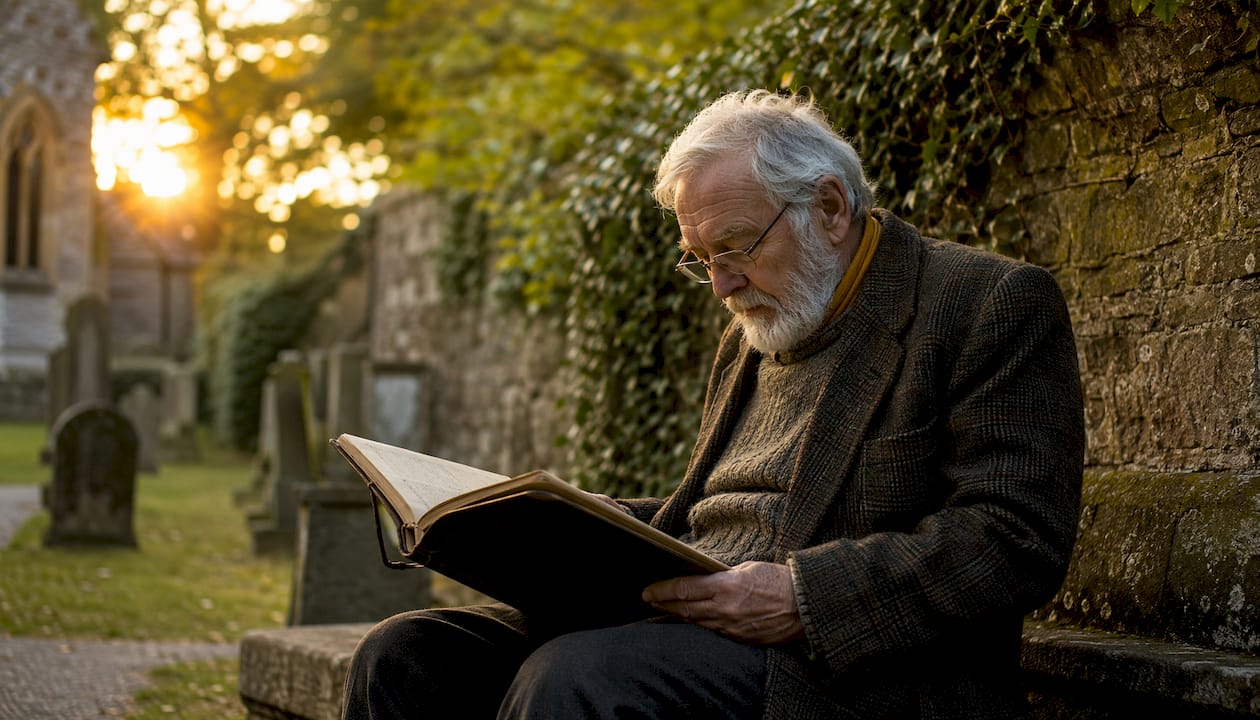
Parish churches and cemeteries. Locating baptismal, marriage, and burial records held by local clergy, and photographing headstones that confirm family dates.
Regional and national archives. Reviewing immigration manifests, census records, military registrations, and naturalization papers. In the U.S., the National Archives holds passenger arrival records dating to the 1800s.
Migration ports. Ellis Island in New York and Castle Garden before it processed millions of arrivals; many families find their surname’s anglicized spelling originated at these entry points.
Cultural festivals and living communities. Attending a harvest festival, a religious feast day, or a neighborhood market in an ancestral region counts as heritage travel even when the family link is cultural rather than strictly genealogical.
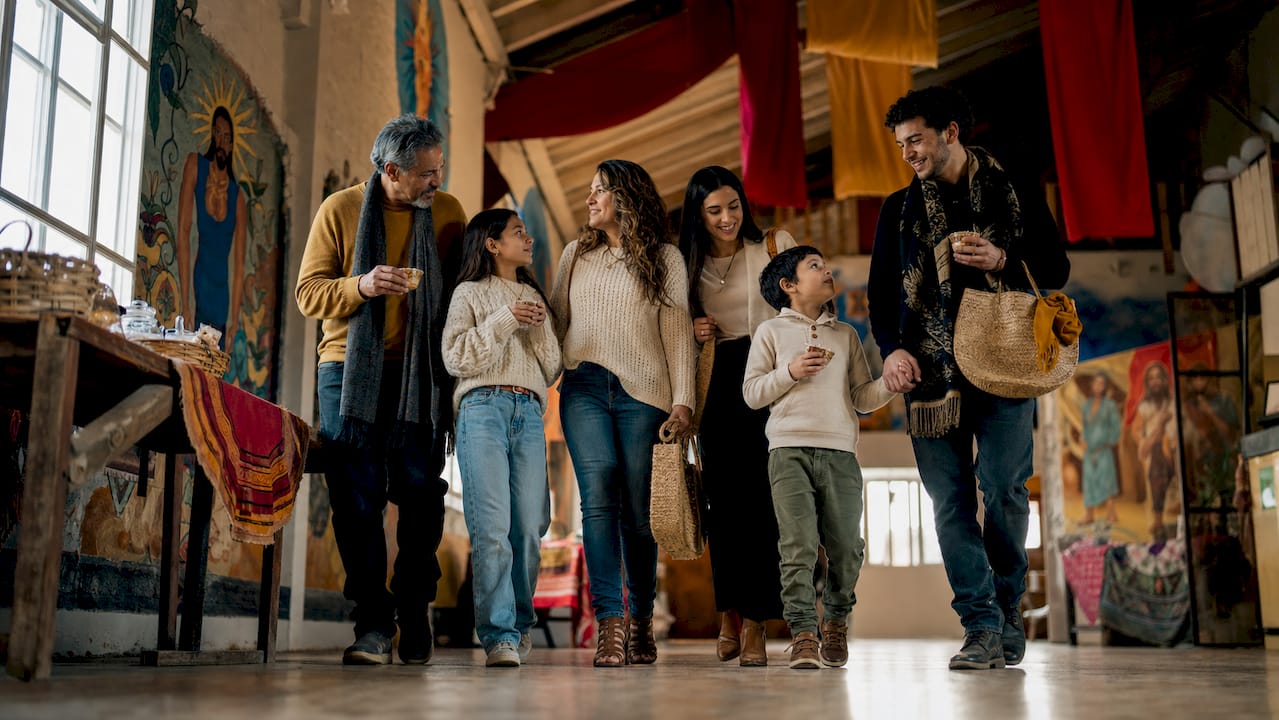
A trip qualifies as heritage travel whether the entry point is a surname, a family story, an immigration record, or a DNA result pointing to a broad region. The personal connection is what defines it, not the precision of the documentation.
Why do families choose heritage trips over other travel?
The emotional pull is straightforward: heritage travel turns names and photographs into physical places that younger family members can stand in and experience. Grandchildren who have heard stories about “the old country” their entire lives often describe visiting ancestral sites as one of the most memorable experiences of their lives. That shift from abstract to tangible is the core of what makes these trips so powerful for multigenerational groups.
Beyond the emotional impact, families pursue heritage trips for several concrete reasons:
- Identity and belonging. Connecting with a cultural homeland reinforces a sense of who the family is and where it comes from, particularly for second- and third-generation Americans.
- Intergenerational education. Older relatives become the most valuable guides on the trip, sharing context that no archive can provide.
- Record discovery. Families frequently uncover documents, photographs, and even living relatives during on-the-ground visits that online research never surfaced.
- Legacy creation. The trip itself becomes a family artifact, documented and passed down.
Multigenerational groups consistently report the strongest outcomes from these trips, in part because the shared experience creates a common reference point across age groups. The experiential dimension of heritage travel, food, language, festivals, and community interaction, tends to produce deeper engagement than a purely archive-focused itinerary.
How do you plan a heritage trip step by step?
Thorough pre-trip research is what separates a meaningful heritage journey from an expensive guessing game. Experts consistently recommend verifying locations and records before departure so that time on the ground focuses on connection rather than basic confirmation.
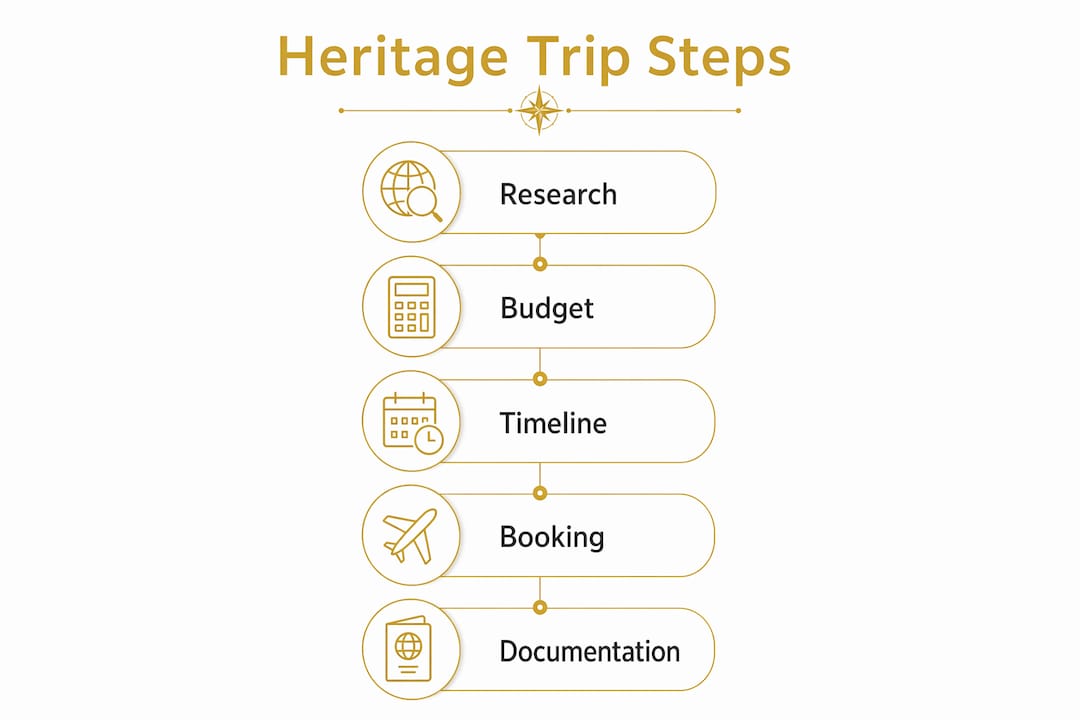
- Build or update your family tree. Use FamilySearch (free) or Ancestry to document at least three generations, noting every place name, date, and document type you can confirm.
- Run a DNA test if you haven’t. AncestryDNA and 23andMe both provide regional ethnicity estimates and relative matches that can point to specific countries or provinces.
- Verify specific locations. Cross-reference family stories with census records, immigration manifests, and vital records in the National Archives or a relevant country’s national archive.
- Contact local historical societies and county archives. U.S. county archives and their international equivalents often hold records not yet digitized. Reach out at least 8–12 weeks before travel.
- Engage village social groups. Local Facebook groups, parish newsletters, and regional genealogy societies frequently connect visiting families with residents who share the surname or remember the family.
- Arrange logistics early. Many ancestral villages are rural with limited tourism infrastructure. Pre-arrange private ground transport, confirm opening hours for archives and churches (which often operate on irregular schedules), and book lodging in or near the target area.
- Build a flexible itinerary. Alternate research-heavy days with leisure days. A step-by-step luxury itinerary approach works well here: block archive visits in the morning, leave afternoons for village walks, meals, and unplanned conversations.
- Prepare travel documents. Some families pursue dual-citizenship applications or obtain certified copies of foreign birth and marriage records while abroad. Confirm what documentation you need before you leave.
- Post-trip tasks. Upload new records to FamilySearch or Ancestry, organize photos with captions, and share findings with relatives who did not travel.
Budget considerations: A focused 4–6 day regional trip typically runs $2,000–$5,000 per person including flights, lodging, and ground transport. A 10–14 day multigenerational trip with a mix of heritage research and leisure can range from $4,000 to $10,000+ per person depending on accommodation level and group size. Bespoke, advisor-led itineraries with private transfers and local specialists sit at a higher tier.
Planning timeline: Allow 3–6 months for a straightforward trip; 6–12 months for a complex multigenerational or multi-country itinerary.
Pro Tip: Block no more than two to three hours per day for archive or cemetery work. Veteran heritage travelers consistently find that shorter research windows keep the trip enjoyable for all ages and prevent the fatigue that turns a meaningful experience into a chore.
DIY vs guided heritage tour: which fits your family?
The right approach depends on your family’s research depth, group size, language skills, and how much planning bandwidth you realistically have. Online genealogical tools and social media have made DIY research more accessible than ever, but operational complexity grows quickly once a trip involves multiple countries, older relatives, or remote villages.
| Dimension | DIY / Independent | Guided / Specialist-Led |
|---|---|---|
| Best for | Solo travelers or small families with strong research skills | Multigenerational groups, complex itineraries, or families with limited research time |
| Cost / planning effort | Lower cost; high personal time investment | Higher cost; significantly lower planning burden |
| Researcher support | Self-directed using AncestryDNA, FamilySearch, National Archives | Professional genealogist handles record verification and translation |
| Accessibility / pacing | Fully flexible; family sets the pace | Advisor pre-arranges accessibility, rest days, and age-appropriate activities |
| Typical inclusions | Flights, lodging, self-guided archive visits | Private transport, local guides, archive access, curated cultural experiences |
Families with a clear anchor location and solid documentation often do well with a DIY approach for a short trip. The calculus shifts when the group includes grandparents with mobility needs, when records are in a foreign language, or when the target village is genuinely remote. A bespoke itinerary built by a luxury travel advisor adds real value in those situations: private transport to villages with no public transit, pre-arranged archive appointments, and a local guide who can translate and open doors that a visiting family simply cannot.
Practical tips for families and multigenerational groups
Tailoring the trip to every family member is what keeps a heritage journey from becoming a research expedition that only one person enjoys. Assign roles before you leave.
- The researcher manages records, confirms appointments, and tracks new discoveries in a shared document.
- The storyteller (often a grandparent) provides oral context at each site and leads family conversations about what they remember or were told.
- The documentarian handles photography, video, and voice memos, ensuring every site is captured with enough context to be useful later.
Additional tips for multigenerational travel:
- Build in rest days. Older relatives and young children both need recovery time. A day at a local market or a long lunch at a regional restaurant is not wasted; it is part of the cultural experience.
- Use intergenerational travel resources that address pacing, accessibility, and shared programming for mixed-age groups.
- Plan shared activities. Photo storytelling sessions (each family member captions the same photograph differently), recipe exchanges with local residents, and joint archive visits where children handle the camera all keep younger travelers engaged.
- Confirm accessibility in advance. Many historic churches and village archives have no elevator access. Know this before arrival so you can plan alternatives.
- Keep a shared trip journal. A Google Doc or shared notes app that every family member can contribute to in real time creates a living record of the trip.
The most memorable heritage trips tend to prioritize authentic local engagement over a checklist of sites. Food, language, and community interaction often produce stronger emotional responses than a cemetery visit alone.
How to document and preserve what you discover
Documentation during the trip is as important as the research before it. A photograph without a caption is nearly useless to the next generation.
During the trip:
- Photograph every document, headstone, and building with a wide shot (for context) and a close-up (for legibility).
- Record voice memos immediately after archive visits while details are fresh. Note the archive name, record type, reference number, and what you found.
- Take timestamped notes on your phone or a small notebook. Include the full address of every site visited.
- Scan or photograph original documents with a scanning app like Adobe Scan or Microsoft Lens for high-resolution copies.
- Back up photos and files to cloud storage (Google Photos, iCloud, or Dropbox) at the end of each day.
After the trip:
- Upload new records and photographs to FamilySearch’s Memories tool or Ancestry’s media section, attaching them to the relevant family members in your tree.
- Organize files in clearly labeled folders: surname, location, record type, and year.
- Share a curated summary with relatives who did not travel, including a short narrative of what was found and what it means for the family story.
Pro Tip: When labeling photos and files, use a consistent naming convention: [Surname][Location][RecordType]_[Year]. A file named “Rossi_Palermo_BaptismRecord_1887” is immediately useful to a grandchild in 2060; “IMG_4823” is not.
What are the best tools and resources for heritage trip research?
The right combination of tools depends on where your research stands and what gaps remain. Here is how each major resource fits into the process:
- AncestryDNA. Best for identifying regional ethnicity and connecting with DNA relatives who may hold records or photographs you do not. Pair DNA results with Ancestry’s digitized census, immigration, and vital records for the strongest research foundation.
- 23andMe. Useful for ethnicity estimates and health data; its relative-matching feature can surface distant cousins with complementary family trees.
- FamilySearch. A free, nonprofit database maintained by The Church of Jesus Christ of Latter-day Saints with billions of digitized records including U.S. census data, immigration manifests, and international vital records. Its Memories tool is also the best free option for storing and sharing trip documentation.
- National Archives (U.S.). The primary source for U.S. immigration records, naturalization papers, military service records, and federal census data. The online portal at archives.gov provides access to many digitized collections; some records require an in-person visit or a written request.
- Local historical societies and county archives. Often hold records not yet digitized, including local newspapers, church registers, and photographs. Contacting them 8–12 weeks before travel frequently yields introductions to local genealogists and community members.
- Local genealogists. A professional genealogist based in the target region can access records in the original language, navigate local archives, and identify living relatives. The Association of Professional Genealogists maintains a directory.
- Translators. For records in languages your family no longer speaks, a professional translator ensures accuracy. Many local genealogists offer translation as part of their service.
- Social media groups. Facebook groups organized by surname, village, or regional diaspora community are surprisingly effective for connecting with distant relatives and local historians before arrival.
- Mapping and GPS tools. Google Maps and satellite imagery can help identify the approximate location of a family farm or demolished home before you arrive. Some villages have changed names since your ancestors emigrated; historical gazetteers help reconcile old and new place names.
A note on DNA privacy: Both AncestryDNA and 23andMe allow you to control whether your data is shared with researchers or law enforcement. Review each platform’s privacy settings before uploading your results, particularly if you are concerned about data sharing beyond genealogical matching. For heritage travel tailored to religious milestones, specialist providers add cultural and ceremonial context that general genealogy tools do not cover.
How should you behave at ancestral sites and living communities?
Respectful engagement is not optional on a heritage trip. You are visiting places that are sacred, private, or deeply meaningful to the people who live there year-round.
Cemeteries. Walk carefully, stay on established paths, and never move or clean a headstone without permission from the managing authority. Photography is generally permitted, but ask if the cemetery is attached to an active religious institution.
Churches and religious sites. Dress modestly, observe any posted photography restrictions, and ask the parish priest or administrator before accessing sacramental records. Many parishes charge a small fee for record searches; budget for this and treat it as a professional service, not an inconvenience.
Private homes and farms. If the family home is privately owned, do not approach without prior contact. A letter or email sent weeks before arrival, explaining your family connection and requesting a brief visit, is the appropriate path. Many families are warmly received; unannounced visits rarely are.
Archives and libraries. Most U.S. archives and their international counterparts are publicly accessible, but some collections require advance appointments or researcher credentials. The National Archives’ online request system allows you to order records before arrival. Foreign archives may require a letter of introduction or a local genealogist to act as an intermediary.
Living communities. Approach local residents with genuine curiosity rather than transactional efficiency. Sharing a meal, attending a local event, or simply spending time in a village café often yields more meaningful connections than a formal interview. Always ask permission before photographing people.
Three sample heritage trip itineraries
These sketches are starting points, not fixed plans. Adjust duration, budget, and activities to your family’s specific research goals and travel style.
| Itinerary | Duration | Budget range (per person) | Style |
|---|---|---|---|
| Village and archive visit | 4–6 days | $2,000–$5,000 | Regional, family-focused |
| Multigenerational roots and leisure | 10–14 days | $4,000–$10,000+ | Extended family, mixed activities |
| Bespoke luxury heritage journey | 7–10 days | $4,000 to $10,000+ | Private transfers, local specialists |
Village and archive visit (4–6 days)
This format works well for a couple or small family with a confirmed ancestral location. Days 1–2 focus on the target village: walking the neighborhood, visiting the parish church, and photographing the family home. Days 3–4 cover the regional archive and any nearby cemeteries. Day 5 is a leisure day in the nearest city, with a regional meal and a museum visit for cultural context. Budget items include round-trip flights, a small hotel or rental apartment, car rental, archive fees, and meals.
Multigenerational roots and leisure (10–14 days)
Designed for extended families of 6–12 people spanning three generations. The first three days are dedicated to the primary ancestral region: archive visits, village walks, and a meeting with a local genealogist. Days 4–7 shift to a nearby city or coastal area for leisure, giving older relatives and children time to rest and explore at a comfortable pace. Days 8–10 return to a secondary research location or a culturally significant site. The final days allow for open exploration and a family dinner at a local restaurant. Luxury hotel selection matters significantly for multigenerational groups; accessible rooms, common areas for family gatherings, and proximity to research sites all affect the quality of the experience.
Bespoke luxury heritage journey (7–10 days)
This format suits families who want the depth of a serious genealogy trip without the logistical burden of managing it themselves. A heritage tourism industry valued at $607 billion annually has produced a tier of specialist advisors who coordinate private transfers to remote villages, pre-arrange archive appointments, and engage local historians and translators. The itinerary is built around the family’s specific research goals, with private transport between sites, curated dining at family-style local restaurants, and a professional genealogist on call throughout. Budget at this level reflects the private transport, specialist fees, and premium accommodation.
When should you hire a genealogist, guide, or travel advisor?
Most families reach a point where professional help produces materially better outcomes than continued DIY effort. Advisors bring local contacts and operational experience that are genuinely difficult to replicate from abroad.
Signs you need a professional genealogist:
- Records are in a language your family no longer speaks.
- The research has stalled despite using all major online databases.
- You need certified copies of foreign vital records for a citizenship application.
- The target archive requires a local researcher to access restricted collections.
Signs you need a local guide:
- The ancestral village is rural with no English-speaking residents.
- You want introductions to community members or local historians.
- You need someone to navigate informal access (a private home, a parish archive, a family farm).
Signs you need a travel advisor:
- The group includes older relatives with mobility or medical needs.
- The itinerary spans multiple countries or requires coordinating private transport.
- You want the trip to be genuinely memorable rather than logistically exhausting.
- Planning time is limited and the stakes are high.
Questions to ask any professional before hiring:
- What specific archives or communities do you have established relationships with?
- Can you provide references from families with similar research goals?
- What deliverables will I receive, and in what format?
- How do you handle unexpected findings (living relatives, sensitive records)?
- What is your fee structure, and what is included?
A personalized travel booking approach that combines genealogical expertise with luxury logistics coordination is the most effective model for multigenerational or high-complexity heritage trips.
Key Takeaways
A family heritage travel trip is most successful when research is verified before departure, roles are assigned within the group, and the itinerary balances archive work with genuine leisure.
| Point | Details |
|---|---|
| Verify one location first | Confirm a specific address or village using FamilySearch, AncestryDNA, or the National Archives before booking travel. |
| Research before you arrive | Pre-trip verification means on-the-ground time focuses on connection, not basic fact-checking. |
| Balance research and leisure | Limit archive and cemetery visits to 2–3 hours per day to keep the trip enjoyable for all ages. |
| Document with context | Label every photo and file with surname, location, record type, and year so future generations can use them. |
| Grandglobetrotting for complex trips | For multigenerational or luxury heritage itineraries, Grandglobetrotting coordinates private transport, local specialists, and bespoke itinerary planning. |
Heritage trips reward the families who plan them honestly
The conventional wisdom about heritage travel tends to romanticize the research and underestimate the logistics. Families imagine a cinematic moment of discovery in a sunlit archive, and that moment does happen. What travel guides rarely mention is the afternoon when the archive is closed without notice, the village has changed its name since 1920, and the only person who knows the family’s story passed away two years ago.
The families who come away with the strongest experiences are the ones who treated the research as seriously as the travel. They verified locations before booking. They contacted local historical societies months in advance. They hired a local genealogist for the two days that actually required one, rather than trying to navigate a foreign archive in a language they do not read. And they built enough leisure into the itinerary that the trip felt like a family vacation, not a research expedition.
There is also something worth saying about what heritage travel is not. It is not a substitute for the harder work of understanding your family’s history in full, including the parts that are uncomfortable. Some families discover records of displacement, poverty, or conflict that reframe the family story entirely. The most meaningful trips make room for that complexity rather than editing it out in favor of a tidy narrative.
For multigenerational groups especially, the trip’s value often has less to do with what was found in the archives and more to do with what was said at dinner afterward.
How Grandglobetrotting helps you plan a heritage trip worth remembering
For families who want the depth of a serious roots journey without spending months managing logistics, Grandglobetrotting offers a concrete alternative to the DIY path. The bespoke travel planning service covers every layer of a complex heritage itinerary: private ground transport to remote ancestral villages, curated luxury lodging that keeps multigenerational groups comfortable, coordination with local genealogists and translators, and archive appointment scheduling in advance of arrival.
Where the DIY approach demands months of research and dozens of individual bookings, Grandglobetrotting consolidates that work into a single, high-touch planning engagement. The result is a trip where the family’s energy goes toward the experience itself, not the spreadsheet behind it. This matters most for extended-family groups where accessibility, pacing, and accommodation quality directly affect whether every generation leaves with a positive memory. To start planning your family’s heritage journey, visit the travel planning page and request a consultation.
Useful sources for heritage trip research
- FamilySearch Heritage Tourism Guide — Free primary records including U.S. census data, immigration manifests, and international vital records. The best starting point for most ancestry research.
- FamilySearch Heritage Travel Activities — Practical ideas for connecting with ancestral homelands, including virtual options when travel is not possible.
- Yodl: What Is Heritage Travel? — A clear, accessible explainer of how heritage travel differs from standard cultural tourism.
- HuffPost: What Is Heritage Travel? — Mainstream overview of trip formats, from single-day ancestral visits to long bespoke itineraries.
- New York Times: How to Plan a Family Heritage Trip — Practical coverage of how families use online tools, social media, and documentation to plan ancestry trips.
- Family Tree Magazine: Heritage Travel Planning — Detailed guidance on pre-trip research, local genealogists, and on-site verification.
- National Archives (U.S.) — Primary source for U.S. immigration records, naturalization papers, military service records, and federal census data. Use for verifying specific ancestors’ arrival and residency records.
- Grandglobetrotting: What Is a Legacy Travel Experience — Context on how bespoke travel advisors approach multigenerational and legacy-focused itineraries.
Next step: If your research has identified a specific country or region, contact that country’s national archive or a local historical society directly. If the itinerary involves multiple countries, older relatives, or complex logistics, a consultation with a luxury travel advisor is the most efficient path to a trip that delivers on its promise.
Recommended
At Grand Globetrotting, we don't just plan vacations; we craft extraordinary adventures that leave you with cherished memories. Let us bring your dream vacation to life, perfectly tailored to your style, and immerse yourself in a world of luxury, exploration, and unforgettable moments. Your journey begins with us.
Itinerary planning services require a separate charge outside of cost to book travel accommodations. Depending upon the complexity of the itinerary and the level of effort required to acquire unique experiences, cost may vary. Speak with our team to learn more.
Book your consultation