

What are custom dining recommendations and why they matter
Custom dining recommendations are personalized food and drink suggestions built around a guest’s individual preferences, dietary needs, past orders, and dining context. Rather than presenting every guest with the same static menu, this approach filters, ranks, and highlights options that genuinely fit the person sitting at the table. The result is a dining experience that feels considered rather than generic.
The benefits are concrete and measurable on both sides of the table:
- Higher guest satisfaction: 85% of guests who experienced personalized dining reported high satisfaction, compared to 65% of those who did not.
- Increased spending: Guests who receive tailored suggestions order about 15–20% more and explore premium options they might otherwise overlook.
- Stronger loyalty: Personalized experiences create emotional connections that turn first-time visitors into regulars.
- Operational clarity: Technology and staff training work together to deliver recommendations without friction or delay.
- Dietary confidence: Guests with allergies or restrictions feel safe and seen, not like an afterthought.
Technology is the engine behind effective customization. AI-powered recommendation systems, point-of-sale integrations, and guest profile databases allow restaurants to deliver relevant suggestions at scale, from a fast-casual kiosk to a fine-dining table.
Why personalized dining recommendations matter to restaurants and diners
The financial case for personalization is hard to ignore. Restaurants that adopted personalized dining strategies reported a 15–20% increase in food and beverage revenue, driven largely by stronger emotional connections between guests and the dining experience. AI-driven menu personalization increases sales by up to 25% and average order value by 17–25% in customer testing.
Guest loyalty is equally at stake. 62% of customers say a brand would lose their loyalty without a personalized experience. That figure reflects a broader shift: diners no longer want to be “Table 4.” They want to feel recognized, and restaurants that fail to deliver that recognition are quietly losing repeat business.
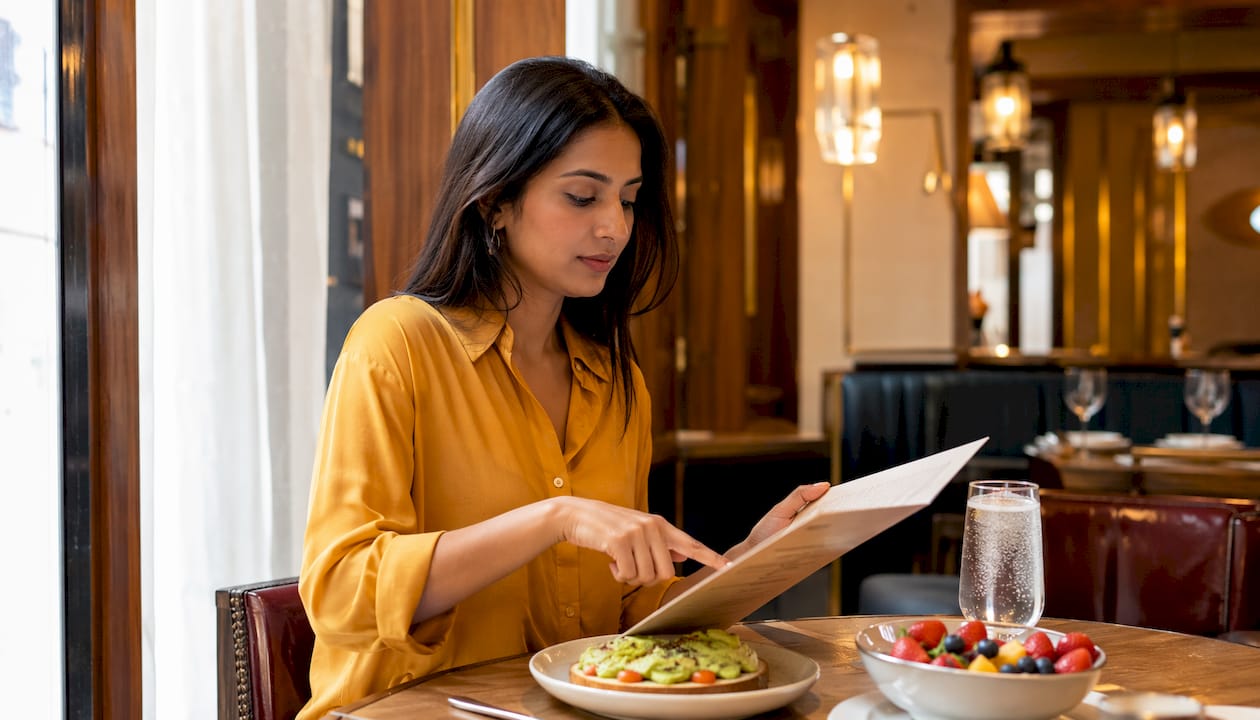
Decision fatigue is a real operational problem that personalization solves. When a guest with a gluten intolerance has to scan a six-page menu hunting for safe options, frustration builds before the first course arrives. A recommendation engine that surfaces relevant dishes immediately removes that friction, and guests who receive personalized recommendations order about 15–20% more and report higher satisfaction as a result.
Challenges exist alongside the benefits. Data privacy concerns, the cost of technology integration, and the need for consistent staff training all require deliberate attention. Personalization also demands operational discipline: a recommendation that cannot be executed reliably in the kitchen creates more problems than it solves.
Pro Tip: Start with a single personalization touchpoint, such as dietary filtering at the ordering stage, before building toward full AI-driven recommendation engines. Incremental implementation reduces operational risk.
Five practical strategies to deliver custom dining recommendations
-
Build guest profiles through data collection. Reservation systems, loyalty apps, and POS terminals all capture preference data. When these systems communicate with each other, a guest’s anniversary note from their booking can appear on the server’s screen when the check opens. Operational personalization integrated with POS systems prevents repeated inconveniences like guests restating allergies on every visit.
-
Deploy AI-powered recommendation engines. These tools score menu items against a guest’s flavor preferences, spice tolerance, dietary restrictions, and past orders. Hyper-personalization using past order history, dietary tags, and even current weather conditions can produce a 10–15% revenue uplift by surfacing exactly what a specific guest is likely to enjoy.
-
Incorporate mood and occasion-based options. Flexible menu structures that cater to how a guest feels in the moment reduce decision fatigue and increase engagement, particularly among younger diners. Curated small plates, build-your-own formats, and tasting flights let guests shape their experience without overwhelming them.
-
Train staff to use personalization data confidently. Technology provides the insight; staff deliver the experience. Servers equipped with AI-generated suggestions can recommend side dishes or wine pairings that resonate with a guest’s known preferences, making the interaction feel organic rather than scripted. Staff training should cover how to present personalized options naturally, without making guests feel monitored.
-
Balance familiar favorites with new discoveries. A great recommendation system does not simply echo what a guest has always ordered. It introduces dishes they are likely to enjoy based on flavor profile similarity, keeping the experience fresh. Transparency matters here: when guests understand how their data improves their experience, they are more willing to share preferences and engage with new suggestions.
How to balance personalization with discovery in dining
The most sophisticated challenge in personalized dining is avoiding what hospitality professionals call “preference echo,” where a guest receives the same style of dish on every visit because the system only reinforces past behavior. A recommendation engine that never surprises a guest eventually stops delighting them.
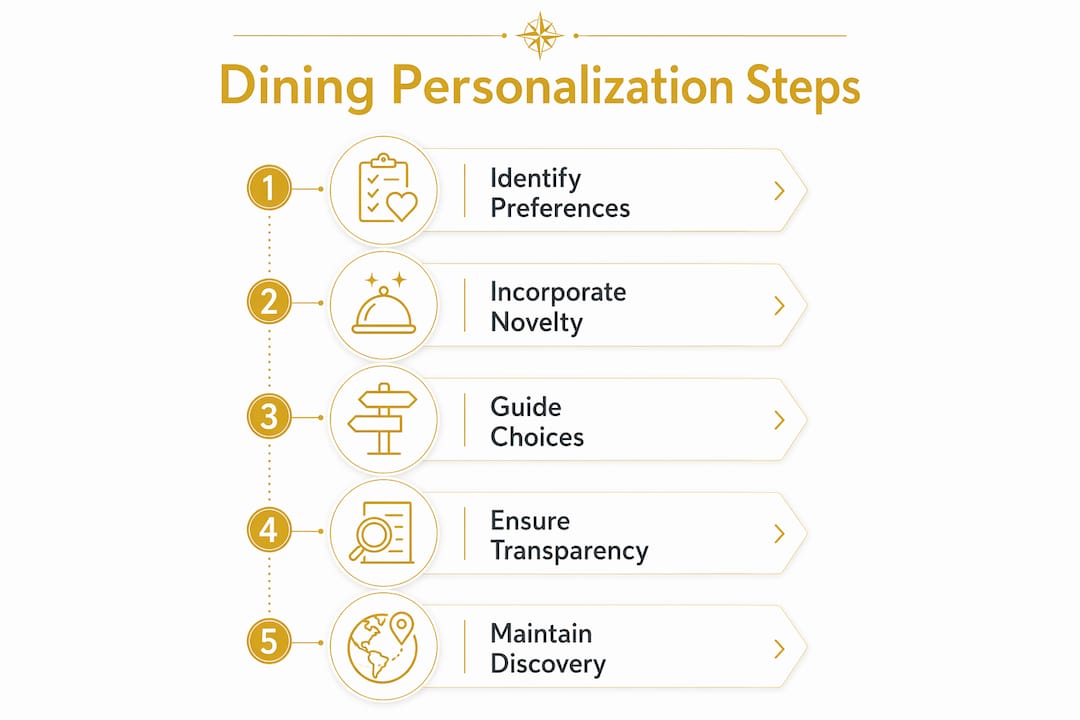
Effective systems apply a novelty factor to their scoring logic, weighting items the guest has never tried alongside items that match their established flavor profile. This keeps the experience feeling curated rather than predictable. The goal is to expand a guest’s palate while still respecting the preferences they have already expressed.
Operationally, guided customization works better than unlimited freedom. When guests face too many open-ended choices, kitchens slow down and consistency suffers. Excessive customization freedom can create operational inefficiencies; successful implementations use curated templates and guided options that keep the kitchen running smoothly while still making guests feel in control.
Transparency about data use is the foundation of this entire system. Guests who understand that sharing a “no cilantro” preference means they will never send a dish back are far more willing to engage. Transparency about data use increases guest willingness to share preferences, enabling safer and more enjoyable experiences for everyone involved. Exploring culinary experiences through a traveler’s lens reveals how this trust-based model is reshaping hospitality well beyond the restaurant floor.
For travelers who expect this level of attention in every aspect of their trip, bespoke dining personalization represents the natural extension of a philosophy that treats every guest as an individual, not a demographic.
Key Takeaways
Custom dining recommendations consistently increase guest satisfaction and restaurant revenue by combining guest preference data, AI-powered tools, and well-trained staff to deliver experiences that feel personal rather than generic.
| Point | Details |
|---|---|
| Revenue impact | Personalized dining strategies produce a 15–20% increase in food and beverage revenue. AI-driven personalization can increase sales by up to 25% and average order value by 17–25%. |
| Guest loyalty | 62% of customers say a brand would lose their loyalty without a personalized experience. |
| Spending behavior | Guests receiving tailored recommendations order 15–20% more and report higher satisfaction. |
| AI-driven sales lift | AI-driven menu personalization has increased sales significantly in customer testing. |
| Discovery balance | Effective systems introduce novel dishes alongside familiar favorites to keep experiences fresh. |
Plan your next personalized dining experience with Grandglobetrotting
Grandglobetrotting brings the same philosophy of personalization to every element of luxury travel, including dining. Whether you are planning a honeymoon, a business trip, or a family vacation, the Grandglobetrotting concierge team curates bespoke itineraries that include handpicked restaurant recommendations matched to your tastes, dietary needs, and the occasion. Every detail is considered before you arrive, so the experience feels effortless from the first course to the last.
Discover how Grandglobetrotting’s luxury hotel services pair world-class accommodations with dining experiences designed specifically for you.
Recommended
At Grand Globetrotting, we don't just plan vacations; we craft extraordinary adventures that leave you with cherished memories. Let us bring your dream vacation to life, perfectly tailored to your style, and immerse yourself in a world of luxury, exploration, and unforgettable moments. Your journey begins with us.
Itinerary planning services require a separate charge outside of cost to book travel accommodations. Depending upon the complexity of the itinerary and the level of effort required to acquire unique experiences, cost may vary. Speak with our team to learn more.
Book your consultation