
TL;DR:
- A legacy travel experience is a multigenerational journey designed to create lasting impact through rare cultural access and community contribution. It focuses on ambiance, socialization, and emotional reflection to build meaningful memories that outlast the trip. Planning requires extensive coordination, impact measurement, and post-trip storytelling to ensure genuine transformation for both travelers and destinations.
A legacy travel experience is a bespoke, multigenerational journey designed to create measurable, lasting transformation for both the travelers and the destination they visit. It differs from conventional luxury travel in three ways: it requires rare or private cultural access that money alone cannot buy; it is intentionally designed for shared meaning across generations; and it leaves a verifiable, positive contribution to the host community. Picture three generations of a family spending ten days in Kyoto with private access to a living-treasure ceramicist, co-funding a kiln apprenticeship program, and returning home with a commissioned piece and a documented skills-transfer outcome.
- Rarity and depth of access: Experiences unavailable through standard channels, such as private ceremonies, elder introductions, or restricted conservation sites.
- Multigenerational design: Itineraries built for shared transformation, not just shared logistics.
- Measurable destination legacy: A verifiable contribution, whether a funded scholarship, restored hectares, or sustained local jobs, that outlasts the visit.
Table of Contents
- What is a legacy travel experience, and how does it differ from luxury travel?
- What are the three dimensions that make a trip truly memorable?
- Does your trip qualify? A practical legacy travel checklist
- What do legacy trips actually look like? Types and examples
- How do you plan and commission a legacy travel experience?
- How do you build measurable, positive impact at the destination?
- What should you do after the trip to preserve the legacy?
- Key Takeaways
- Why legacy travel is more demanding than it looks
- Grandglobetrotting designs legacy travel experiences built to last
- Useful sources and further reading
What is a legacy travel experience, and how does it differ from luxury travel?
Legacy tourism has academic roots in heritage travel research, where it describes travelers motivated by personal ancestral connections rather than general sightseeing. The broader concept used by high-end planners today extends that definition: a legacy travel experience is any journey structured to produce durable meaning, not just pleasure. Where luxury travel optimizes for comfort and exclusivity, legacy travel optimizes for impact and memory formation. The destination is not a backdrop; it is a beneficiary.
More than 61% of affluent travelers now consider once-in-a-lifetime experiences the true essence of luxury, a figure that signals how decisively the market has moved beyond thread counts and Michelin stars. The shift is not cosmetic. Families are commissioning experiences they intend to talk about for decades, and they want proof that the destination is better for their presence.
What are the three dimensions that make a trip truly memorable?
Academic research identifies three core processes that shape memorable tourism experiences: Ambiance, Socialization, and Emotion & Reflection. These are not amenities; they are design levers.
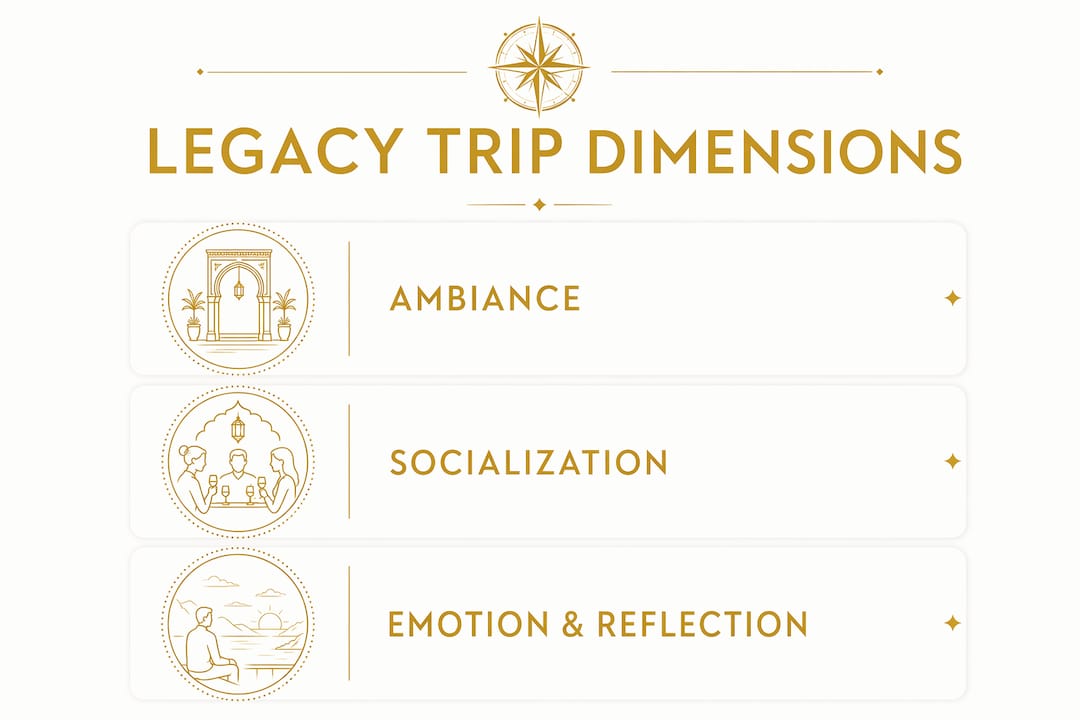
Ambiance covers the sensory and environmental setting. For a legacy trip, this means rare physical access: a private dawn visit to a UNESCO site before crowds arrive, or a conservation camp positioned inside a protected corridor. The design implication is simple: if the setting is replicable by any other traveler, it is not legacy-grade.
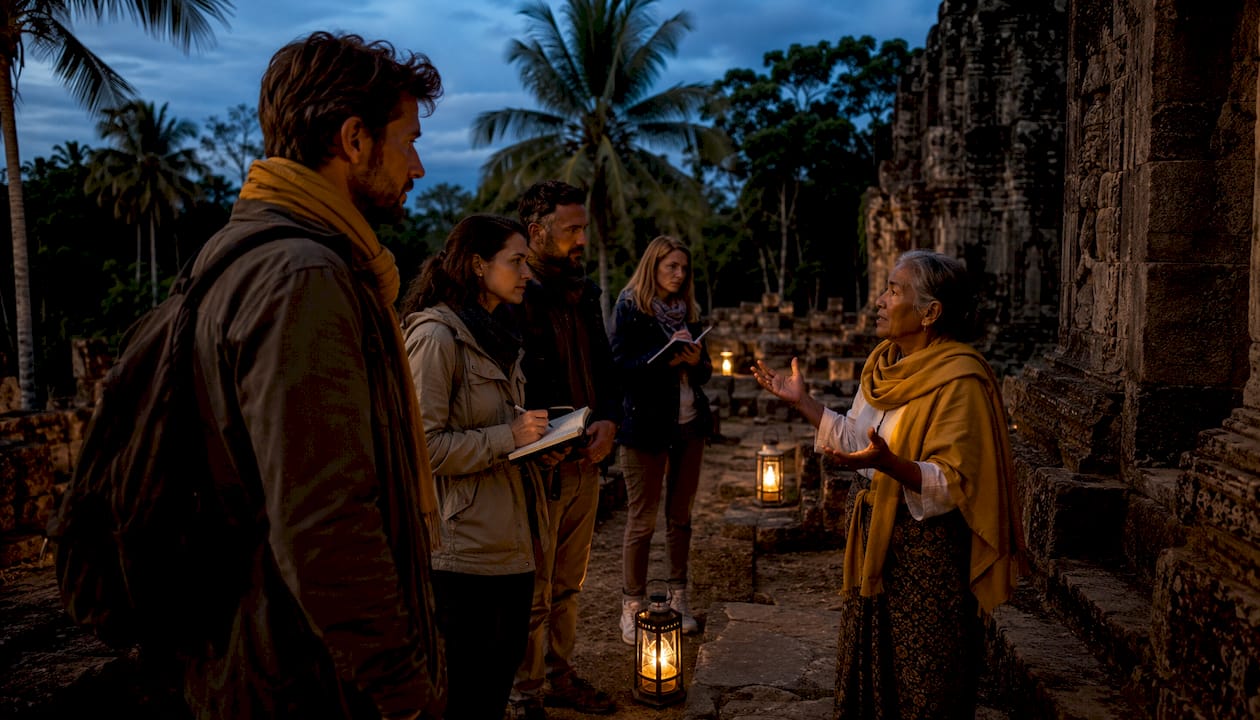
Socialization refers to the quality of human connection during the trip. Structured, high-quality intergenerational moments, such as a guided conversation between a grandparent and a local elder, or a shared cooking lesson that requires genuine collaboration, produce stronger memories than passive observation. Research confirms that social interaction is among the most significant predictors of memory vividness.
Emotion & Reflection is where the experience becomes permanent. Ritualized pauses, such as a guided journaling session at a meaningful site or a family storytelling circle on the final evening, convert raw emotion into narrative. The critical insight is that most of the transformation happens after the trip, during what researchers call the re-signification phase, when travelers assign lasting meaning to what they experienced.
Pro Tip: Plan the re-signification phase before departure. Commission a professional editor or oral historian to join the final day and begin capturing family narratives while memories are fresh. That single investment often determines whether the trip becomes a story told once or a story told for generations.
Does your trip qualify? A practical legacy travel checklist
Use these criteria as a briefing tool when speaking with a planner or family members.
- Rare or private cultural access: Can this experience be booked by any traveler with a credit card? If so, it does not qualify.
- Multigenerational design: Does the itinerary include intentional space management, parallel activities for different age groups, and high-impact shared moments?
- Cultural custodianship access: Does the itinerary include direct engagement with recognized cultural custodians, elders, or artisans?
- Measurable destination contribution: Is there a funded, documented outcome for the host community?
- Heirloom-quality outputs: Will the family leave with a commissioned artifact, recorded oral history, or published family narrative?
- Longevity of relationships formed: Are local contacts, guides, or community partners positioned for ongoing connection?
When briefing a planner, weight criteria roughly as follows: 40% on access and transformation depth, 30% on sustainability and measurable impact, 20% on comfort and logistics, and 10% on curated surprises.
Three red flags that signal a trip is not truly legacy-grade:
- Activities that extract cultural performance without community benefit (staged ceremonies, paid photo access).
- One-off spectacle with no follow-through commitment to the destination.
- Forced family clustering with no space management, which produces friction rather than shared meaning.
What do legacy trips actually look like? Types and examples
Legacy travel spans a wide range of objectives and budgets. Planning timelines typically run 6–18 months for complex multigenerational itineraries.
Heritage reconnection journey: A family traces ancestral roots through Ireland or West Africa, meeting living relatives and commissioning a genealogical archive. Timeline: 9–12 months. Budget bracket: $40,000–$120,000. Core deliverable: a bound family history and documented lineage map.
Conservation legacy expedition: Travelers co-fund a wildlife corridor restoration in southern Africa, participate in species monitoring, and receive an annual impact report. Timeline: 12–18 months. Budget bracket: $60,000–$200,000. Core deliverable: hectares restored, documented and attributed to the family.
Artisan legacy residency: A private cultural residency with master craftspeople in Oaxaca or Kyoto, culminating in a commissioned heirloom piece and a funded apprenticeship. Timeline: 6–9 months. Budget bracket: $25,000–$80,000. Core deliverable: a one-of-a-kind artifact and a skills-transfer agreement.
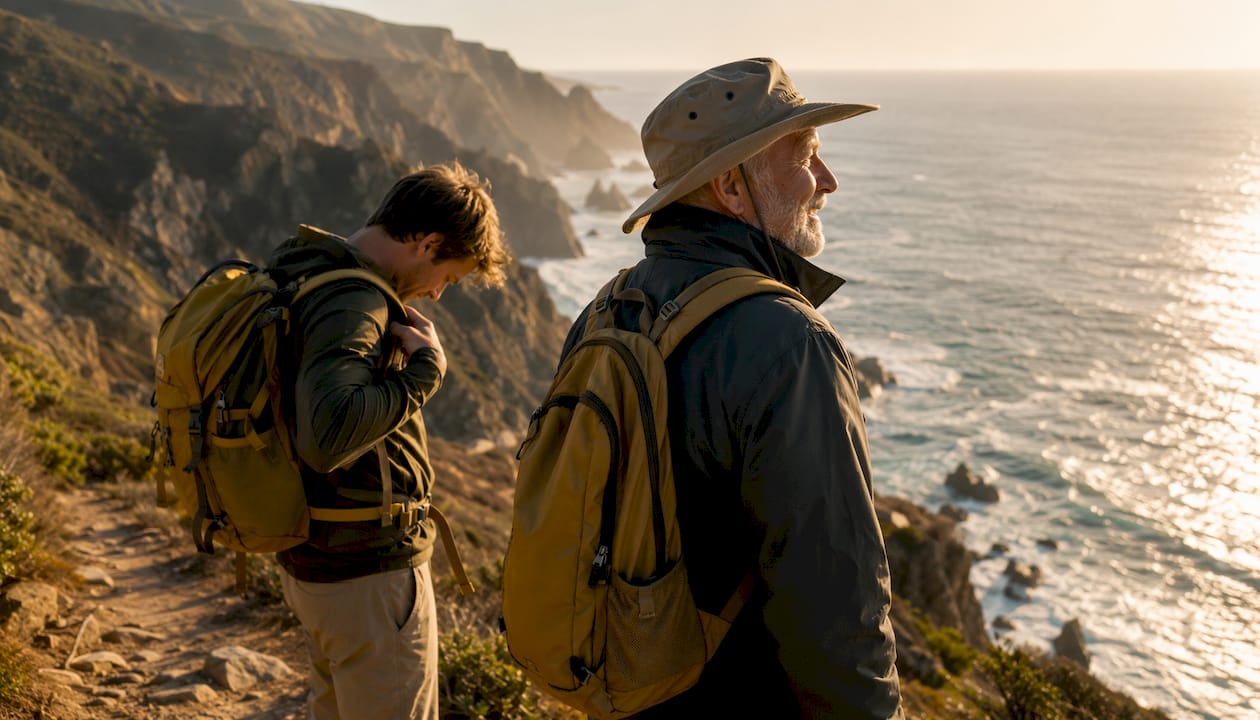
Rite-of-passage adventure: A young adult and a grandparent complete a physically demanding journey together, such as a private Inca Trail traverse or a guided Patagonia crossing, with a mentorship narrative woven throughout. Timeline: 6–12 months. Budget bracket: $20,000–$60,000. Core deliverable: a recorded mentorship conversation and a shared achievement.
Milestone family retreat: A multigenerational gathering at a private estate or island, structured around family storytelling, legacy planning workshops, and a philanthropic decision made collectively. Timeline: 6–9 months. Budget bracket: $50,000–$150,000. Core deliverable: a family legacy charter.
Cultural patronage residency: A family sponsors a local arts festival or cultural preservation project, attends as honored guests, and receives naming recognition in the community’s permanent record. Timeline: 12–18 months. Budget bracket: $80,000–$300,000. Core deliverable: documented cultural preservation and community acknowledgment.
For a sense of what private-access, curated legacy experiences look like in practice, regional operators who specialize in exclusive access and conservation partnerships offer a useful reference point.
How do you plan and commission a legacy travel experience?
Planning phases and time windows
- Discovery (months 1–2): Define the family’s legacy objective, generational composition, physical parameters, and impact ambitions.
- Design (months 2–5): Develop the itinerary architecture, identify cultural custodians and impact partners, and draft the impact agreement.
- Procurement (months 4–10): Secure rare-access permissions, book private logistics, confirm medical contingency protocols, and finalize vendor accreditation.
- Delivery (trip dates): Execute with a dedicated on-the-ground logistics lead and a cultural liaison.
- Impact commitments (post-trip): Activate funded programs, receive impact reports, and begin the re-signification process.
Who to hire
- Travel advisor/curator: Designs the overall experience architecture and manages vendor relationships.
- Local cultural custodian: Provides authentic access and ensures community benefit flows correctly.
- Impact manager: Structures and monitors the destination contribution.
- Medical concierge: Manages health contingencies for mixed-age groups, including minors and elderly travelers.
- Logistics lead: Handles on-the-ground coordination, private transport, and real-time problem resolution.
Industry insiders who specialize in rare-access procurement are often the single most valuable hire in the planning process.
Fifteen vetting questions to ask any planner
- Can you provide references from multigenerational legacy trips you have designed?
- How do you source and vet cultural custodians and local partners?
- What is your process for measuring and reporting destination impact?
- How do you handle medical emergencies for mixed-age groups in remote locations?
- What insurance products do you recommend for travelers across different age brackets?
- Do you hold vendor accreditation with the cultural institutions you access?
- How do you obtain cultural access permissions, and who holds them?
- What is your contingency plan if a key cultural partner becomes unavailable?
- How do you design space management for multigenerational groups?
- What is your process for the post-trip re-signification phase?
- Can you provide a sample impact report from a previous trip?
- How do you handle visa requirements for travelers of different nationalities?
- What is your commission structure, and are there any supplier-side fees?
- How do you protect the family’s privacy during cultural access moments?
- What happens to funded programs if the family’s circumstances change?
Pricing basics
High-end bespoke legacy trips typically carry advisor fees or commissions in the range of 10%–20% of total trip cost, sometimes both. On a $100,000 trip, that means $10,000–$20,000 in advisor compensation, which may be structured as a flat planning fee, a supplier commission, or a combination. Transparency matters: ask for a written breakdown before signing.
Pro Tip: Contract an impact agreement or legacy escrow clause into your planning agreement. This legally commits a defined portion of the trip budget to the destination outcome and specifies reporting timelines, protecting both the community and your family’s philanthropic intent.
How do you build measurable, positive impact at the destination?
Regenerative legacy building reframes affluent travelers as envoys rather than visitors. The goal is not a one-off donation but a durable, measurable benefit that the community can build on after the travelers have left. Effective programs combine hands-on engagement, seed funding, and a monitoring commitment.
Practical partnership models include community cooperative agreements with matched grants, skills transfer programs that pair travelers with local artisans or educators, and conservation endowments structured as multi-year commitments. A durable legacy usually relies on infrastructure or skills that outlast the visit.
| Approach | Typical Timeframe | Example Measurable Outcomes | Funding Model |
|---|---|---|---|
| Community cooperative + matched grant | 2–5 years | Local jobs sustained, revenue generated | Traveler seed fund + NGO match |
| Skills transfer program | 1–3 years | Workshops delivered, certifications earned | Traveler-funded, locally managed |
| Conservation endowment | 5–20 years | Hectares restored, species monitored | Endowment interest + annual traveler contribution |
| Traveler-funded foundation | Ongoing | Infrastructure built, scholarships awarded | Annual family contribution |
| Citizen-science participation | 1–2 years | Data sets contributed, research published | Trip fee allocation |
KPIs worth tracking: number of local jobs sustained, hectares of habitat restored, skills workshops delivered, infrastructure built, and scholarships funded. Requesting an annual impact report from your planner or impact manager keeps these commitments visible and verifiable.
What should you do after the trip to preserve the legacy?
The post-trip period is where most families lose the thread. A short checklist prevents that.
- Documentation: Collect all photographs, videos, and written reflections within two weeks of returning.
- Curated storytelling: Commission a professional editor or oral historian to shape the raw material into a family narrative.
- Heirloom creation: Produce a commissioned book, a family oral-history recording, or an artisan-made object tied to the trip’s impact project.
- Impact reporting: Schedule a call with your impact manager at the six-month mark to review destination outcomes.
- Legal and administrative updates: Confirm travel insurance claims are closed, update medical records for any health events during the trip, and file any visa-related documentation.
Examples of heirloom artifacts that carry lasting meaning: a hand-bound photographic book produced by a local artisan, a recorded conversation between a grandparent and a cultural elder, or a ceramic piece commissioned from the artisan whose apprenticeship the family funded. Digital tools for collaborative documentation can help families organize and preserve these materials across generations.
One-sentence legal reminder: for multigenerational groups, confirm that travel insurance policies cover all age brackets, that minors traveling without both parents carry notarized consent letters, and that medical contingency records are accessible to all group leaders.
Key Takeaways
A legacy travel experience delivers lasting transformation for both the family and the destination, built on rare access, multigenerational design, and a verifiable community contribution.
| Point | Details |
|---|---|
| Core definition | A legacy trip combines rare cultural access, multigenerational design, and a measurable, positive outcome for the host community. |
| Three design dimensions | Ambiance, Socialization, and Emotion & Reflection are the research-backed levers that convert a trip into a permanent memory. |
| Market momentum | More than 61% of affluent travelers now consider once-in-a-lifetime experiences the true essence of luxury. |
| Planning commitment | Complex multigenerational legacy trips require 6–18 months of planning across five phases: discovery, design, procurement, delivery, and impact commitments. |
| Grandglobetrotting | Grandglobetrotting offers bespoke legacy travel design, curated cultural access, and impact reporting through a private consultation with founder Sandon. |
Why legacy travel is more demanding than it looks
Most families who commission a legacy trip underestimate one thing: the gap between a beautiful itinerary and a genuinely transformative one. The difference is almost never the budget. It is the quality of the cultural relationships behind the scenes, the intentionality of the space management, and the discipline to plan the re-signification phase before the trip begins rather than after.
The envoy model changes the traveler’s posture entirely. When a family arrives as a funded partner in a community’s future rather than as a paying guest, the interactions are different in kind, not just in quality. Elders speak differently. Artisans share differently. Children in the group absorb something that no classroom can replicate. That shift in posture is what separates a legacy travel experience from an expensive vacation with a philanthropic add-on.
The post-trip work matters just as much. Families who invest in the re-signification phase, whether through a commissioned narrative, a recorded oral history, or an annual impact call, report that the trip’s meaning actually grows over time. Those who skip it often find that even extraordinary experiences fade into a collection of photographs.
Grandglobetrotting designs legacy travel experiences built to last
For families ready to move beyond remarkable vacations and into something that genuinely endures, Grandglobetrotting offers a private consultation process designed specifically for multigenerational legacy travel. Founder Sandon and the Grandglobetrotting team bring together rare cultural access, vetted local partners, and structured impact reporting into a single, cohesive planning experience.
A consultation covers your family’s legacy objectives, generational composition, preferred destinations, and impact ambitions. From there, Grandglobetrotting develops a fully bespoke itinerary with transparent fee disclosure and a documented impact agreement. Accommodation is sourced through curated luxury hotel partnerships that align with the trip’s cultural and sustainability goals. To begin, visit the bespoke travel planning service page and request your private consultation.
This article is general information, not professional legal, medical, or financial advice. Confirm insurance coverage, visa requirements, and medical protocols with qualified professionals for your specific group.
Useful sources and further reading
- Legacy Tourism: The Search for Personal Meaning in Heritage Travel — Academic foundation for the legacy tourist segment; useful for understanding how personal ancestry motivates travel decisions and how planners can market to this segment.
- Tourism Experiences: Core Processes of Memorable Trips — Primary research source for the Ambiance, Socialization, and Emotion & Reflection framework; essential reading for any planner designing for long-term memory formation.
- Memorable Tourism Experiences: Conceptual Foundations and Managerial Implications — Comprehensive academic framework covering the seven components of memorable tourism experiences; practical for destination managers and trip designers.
- Travel Legacy Building: Sustainability Directory — Covers regenerative tourism frameworks, traveler-funded foundations, and citizen-science models; useful for structuring the impact component of a legacy trip.
- Luxury Travel Redefined: Collecting Legacy Moments — Industry coverage of how commercial providers are packaging legacy and transformational experiences; useful for benchmarking what the market currently offers.
- Grandglobetrotting: Expert Travel Guidance — Practical planning resources and examples of Grandglobetrotting’s bespoke approach; the natural next step for readers ready to commission a legacy experience.
Recommended
At Grand Globetrotting, we don't just plan vacations; we craft extraordinary adventures that leave you with cherished memories. Let us bring your dream vacation to life, perfectly tailored to your style, and immerse yourself in a world of luxury, exploration, and unforgettable moments. Your journey begins with us.
Itinerary planning services require a separate charge outside of cost to book travel accommodations. Depending upon the complexity of the itinerary and the level of effort required to acquire unique experiences, cost may vary. Speak with our team to learn more.
Book your consultation