
TL;DR:
- Culinary travel centers food and drink as the main motivation for exploration, fostering cultural and experiential connections. It includes activities like market visits, cooking classes, and festivals that promote authenticity, sustainability, and local community support. This growing sector significantly influences global tourism, emphasizing immersive, responsible, and heritage-focused food experiences.
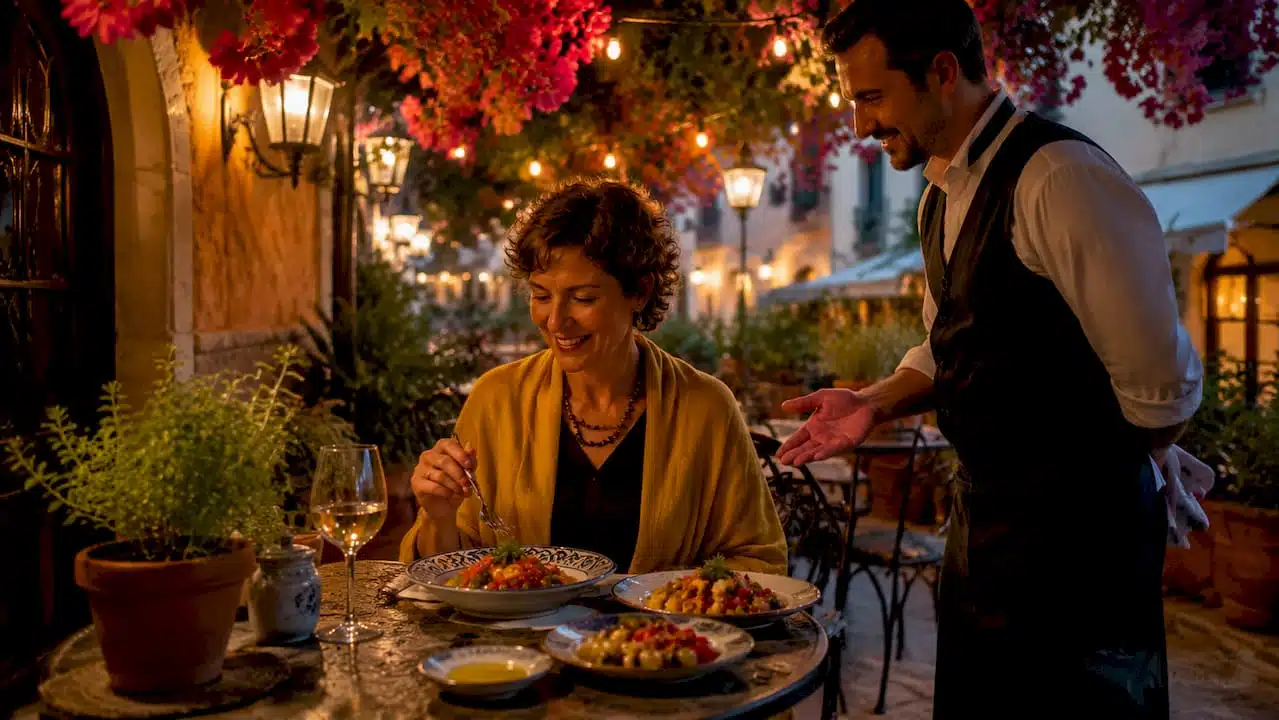
Culinary travel is defined as tourism where food and drink serve as the primary motivation, drawing travelers to explore destinations through their local cuisine, ingredients, and food-related experiences rather than sightseeing alone. The industry term is culinary tourism, and it sits at the intersection of experiential and cultural tourism. Food ranks alongside climate, accommodation, and scenery as a core component of the overall travel experience, which explains why this segment has grown from a niche interest into one of the most sought-after travel categories worldwide. For food lovers and adventure seekers alike, culinary travel offers a way to connect with a place on a deeply personal level.
What is culinary travel and how is it defined?
Culinary travel, formally known as culinary tourism, is the pursuit of unique and memorable eating and drinking experiences as the central purpose of a trip. It goes well beyond stopping at a well-reviewed restaurant. The experience includes visiting local markets, meeting producers, attending food festivals, taking cooking classes, and tracing the origins of regional ingredients. What separates culinary tourism from ordinary dining abroad is intentionality. The traveler chooses a destination specifically because of what it grows, ferments, cures, or cooks.
This distinction matters because it reshapes how destinations are evaluated. A traveler drawn to Oaxaca, Mexico, for its mole negro and mezcal distilleries is making a fundamentally different choice than one who simply eats well while visiting ruins. Similarly, a trip to Lyon, France, built around its bouchon restaurant culture and Bocuse d’Or legacy reflects culinary tourism in its most deliberate form. The food is not a side benefit. It is the reason for the trip.
Culinary tourism also overlaps with agritourism, where travelers visit farms, vineyards, and fisheries to understand how food is produced before it reaches the table. The two categories share a focus on origin and authenticity, though culinary tourism casts a wider net that includes urban food scenes, street food culture, and fine dining experiences.
What activities and experiences define culinary tourism?
Culinary tourism experiences span a wide range of formats, from structured tours to spontaneous market discoveries. The most common activities include:
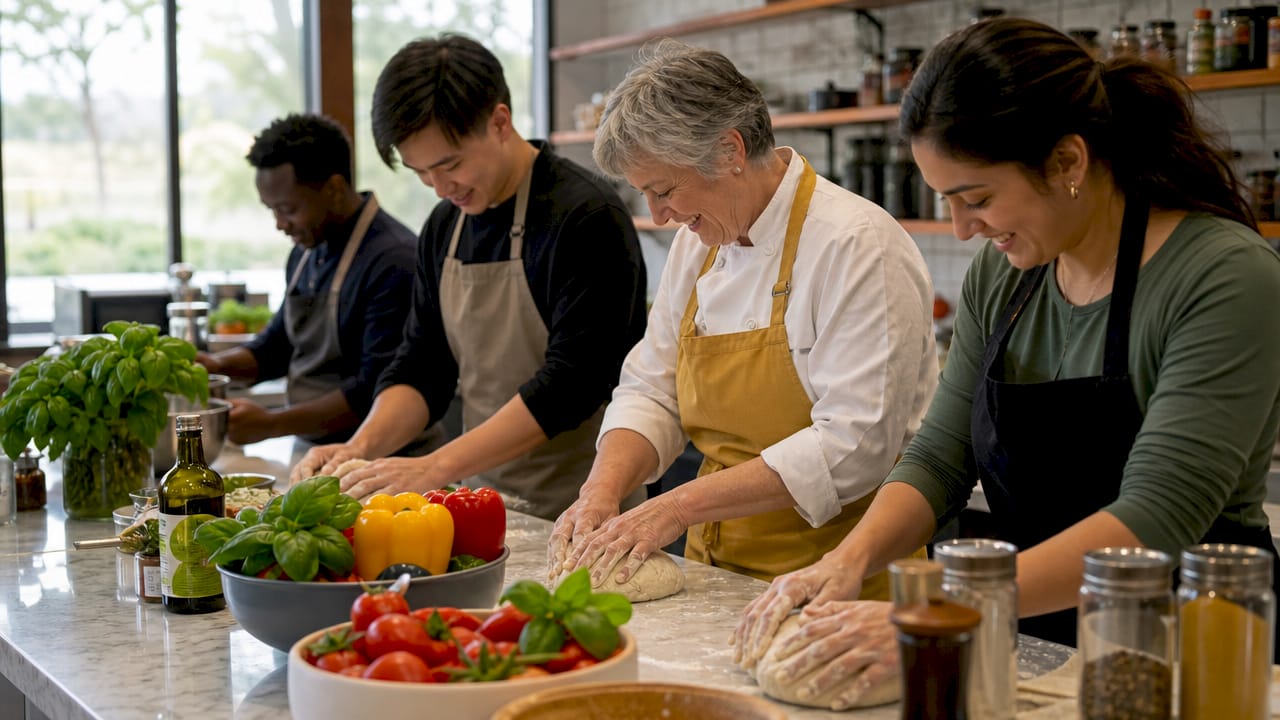
- Cooking classes abroad, where travelers learn regional techniques directly from local chefs or home cooks. A pasta-making class in Bologna or a dim sum workshop in Hong Kong delivers both skill and cultural context.
- Food and drink tours, which guide participants through neighborhoods, markets, or wine regions with a knowledgeable local. Cities like Istanbul, Tokyo, and New Orleans have built thriving food tour industries around their distinct culinary identities.
- Market visits and producer interactions, where travelers meet farmers, fishmongers, cheesemakers, and winemakers. Well-designed culinary itineraries combine these supply chain moments so travelers understand ingredient context, not just taste dishes.
- Food festivals and culinary trails, such as the Taste of Chicago, the Truffle Festival in Alba, Italy, or the Melbourne Food and Wine Festival. These organized events concentrate culinary experiences into a defined time and place.
- Specialty dining, including chef’s table experiences, tasting menus, and heritage restaurant visits that preserve traditional recipes across generations.
The hands-on element is what makes culinary tourism stick. Travelers who knead dough, press olives, or ferment kimchi alongside local experts leave with memories that no museum exhibit can replicate.
Pro Tip: When booking cooking classes abroad, prioritize experiences hosted in private homes or family-run kitchens over hotel-based programs. The recipes tend to be more authentic, and the cultural exchange is far richer.
How culinary travel connects to culture and heritage
Food is one of the most direct expressions of cultural identity, and culinary tourism makes that connection tangible. Academic research frames gastronomy tourism as a branch of cultural tourism where food expresses cultural identities, strengthens local economies, and promotes sustainability. When a traveler sits down to a traditional Wazwan feast in Kashmir or a ceremonial mole in Oaxaca, they are participating in a living cultural tradition, not observing a performance.
Research confirms this connection has measurable effects. A 2026 study found that culinary heritage experiences significantly influence tourist satisfaction and mediate intentions to revisit a destination. Travelers who engage with food as culture are more likely to return, and more likely to recommend the destination to others. This makes culinary tourism a powerful driver of destination loyalty, not just a pleasant add-on.
“Gastronomy tourism shapes international identity and promotes cultural diplomacy, helping places define how they are perceived by the world.” — The Conversation
UNESCO has recognized this dynamic by designating cities like Bologna, Chengdu, and Parma as Creative Cities of Gastronomy. These designations acknowledge that food traditions are cultural heritage worth protecting and promoting. For travelers, a UNESCO gastronomy city designation is a reliable signal that the local food scene is deeply rooted in history and community, not manufactured for tourists.
Gastronomic territories, meaning regions where food production and culture are inseparable from the land, also play a role in community development and rural revitalization. The Basque Country in Spain, Burgundy in France, and the Emilia-Romagna region in Italy are examples where culinary identity has become the foundation of economic and cultural life. Visiting these places as a culinary traveler means contributing directly to that ecosystem.
Why culinary travel is a fast-growing segment
The numbers behind culinary tourism’s growth are striking. The market is projected to reach $4.25 trillion by 2034, and 80% of global travelers consider food and beverage important when choosing a destination. That figure reflects a fundamental shift in how people prioritize travel spending. Food is no longer a logistical necessity on a trip. It is a primary reason to go.
| Trend | What it means for travelers |
|---|---|
| Hyperlocal ingredients | Travelers seek region-specific recipes tied to local terroir, not generic menus |
| Street food culture | Authentic, affordable local food adventures are now a prestige experience |
| Sustainability focus | Circular economy practices and local sourcing define premium culinary tours |
| Halal and inclusive tourism | Growing demand for culturally sensitive culinary experiences across diverse travelers |
| Farm-to-table transparency | Supply chain visibility is now a differentiator, not just a marketing phrase |
Travelers increasingly expect hyperlocal ingredients and region-specific recipes that authentically represent local terroir. This demand has pushed operators to move beyond restaurant reservations and toward experiences that include farm visits, foraging walks, and ingredient sourcing stories. The luxury travel trend forecasting space has taken note, with high-end operators now building entire itineraries around a single ingredient or regional food tradition.
Sustainability is another defining force. Sustainable culinary tourism includes circular economy practices, local sourcing, and waste reduction, with growing adoption across enterprises to support responsible tourism and community well-being. A study of the Baltic Sea Region highlights culinary tourism’s role in rural diversification and cultural revitalization. Travelers who choose experiences aligned with these values are actively supporting the communities they visit, which adds a layer of meaning that purely recreational travel rarely delivers.
The rise of Halal tourism is also reshaping the culinary travel market, as Muslim travelers seek destinations and experiences that respect dietary requirements without sacrificing authenticity or quality. Cities like Amsterdam are responding with more inclusive culinary offerings, reflecting the broader shift toward accessibility in food travel destinations.
How to plan a culinary travel experience
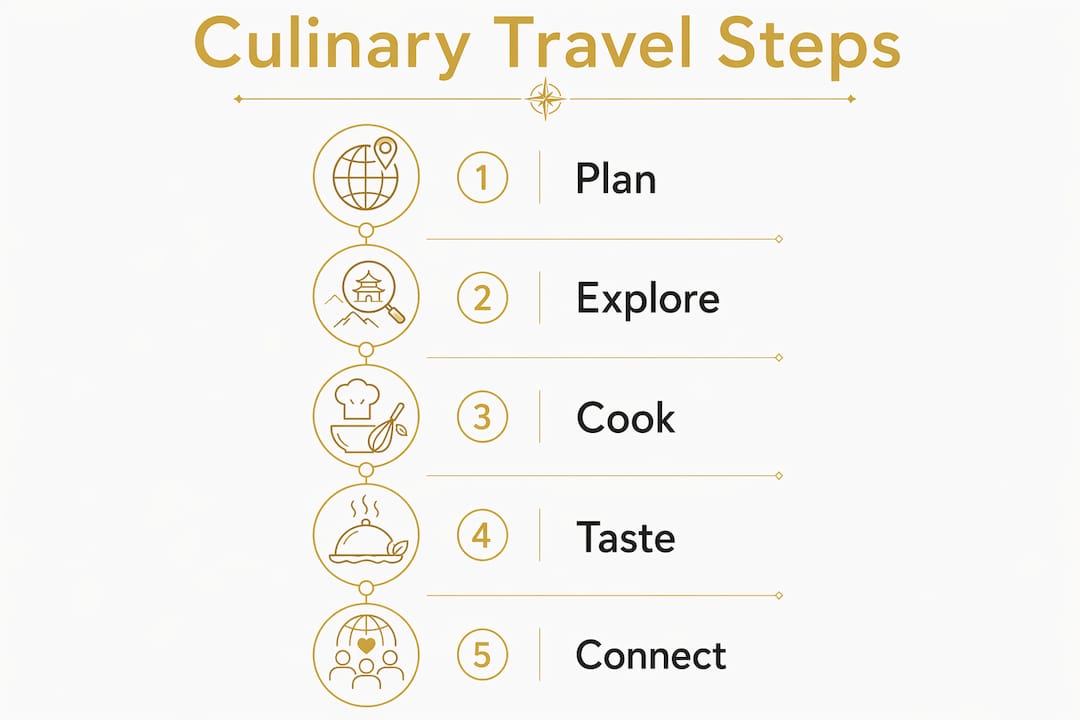
Planning a gastronomic trip requires more thought than booking a standard vacation. The destination, the timing, and the specific experiences all need to align with your food interests. Here is a practical framework for getting it right:
- Choose your destination based on culinary specificity. Broad food cultures are interesting, but the most rewarding culinary trips are built around something specific. Choose a destination for its ramen culture, its wine region, its spice trade history, or its indigenous ingredient traditions. Specificity creates depth.
- Prioritize immersive experiences over passive ones. Destination characteristics that enhance culinary travel quality include cultural involvement, food and beverage quality, and reliable tours, not merely good restaurants. A market visit with a local chef beats a Michelin-starred dinner you could replicate at home.
- Seek out certified quality foods. Certified foods linked to geographical indications, such as Parmigiano-Reggiano, Champagne, or Darjeeling tea, support authenticity and sustainability in culinary tourism. Buying and tasting these products in their place of origin is a culinary travel experience in itself.
- Build in producer interactions. Meeting the farmer, the winemaker, or the cheesemaker transforms a meal into a story. Ask your tour operator or concierge to include at least one producer visit in every culinary itinerary.
- Time your trip around food events. Food festivals, harvest seasons, and regional celebrations offer concentrated culinary experiences that are impossible to replicate outside their natural context. Truffle season in Périgord, cherry blossom season in Japan, and tomato harvest in San Marzano are all examples worth planning around.
Pro Tip: Before you travel, research the culinary and cultural immersion opportunities specific to your destination. Many of the best local food experiences, including private market tours and family dinners, require advance booking through local networks or a knowledgeable travel advisor.
Key takeaways
Culinary travel delivers its greatest value when food is treated as the primary lens for understanding a destination’s culture, history, and community.
| Point | Details |
|---|---|
| Core definition | Culinary tourism centers food and drink as the main travel motivation, not a secondary benefit. |
| Cultural depth | Culinary heritage experiences increase tourist satisfaction and drive repeat visitation to destinations. |
| Market scale | The culinary tourism market is projected to reach $4.25 trillion by 2034, reflecting mainstream demand. |
| Sustainability link | Local sourcing, circular economy practices, and producer engagement define responsible culinary travel. |
| Planning priority | Immersive experiences like cooking classes, market visits, and producer tours outperform restaurant-only itineraries. |
Why culinary travel is the most honest form of tourism
I have planned hundreds of luxury trips, and the ones clients remember most are almost never about the hotel suite or the private transfer. They are about the morning they spent making fresh pasta with a grandmother in Umbria, or the afternoon they tasted single-origin chocolate at a cacao farm in Bali. Food creates memories that outlast almost every other travel experience.
What I find most compelling about culinary tourism right now is the sustainability angle. Travelers who engage with local producers, buy certified regional products, and eat at family-run establishments are doing something genuinely good for the communities they visit. That is not marketing language. It is a measurable economic reality, and it gives culinary travel a moral dimension that other luxury experiences struggle to match. Destinations like Bali are leaning into this, building culinary offerings that connect visitors to local farming traditions and indigenous ingredients in ways that feel authentic rather than staged.
The trend toward hyperlocal and heritage-focused experiences also signals something important: travelers are getting more sophisticated. They are not satisfied with a generic tasting menu. They want to know where the ingredient came from, who grew it, and why it matters to the culture they are visiting. That curiosity is what separates a great culinary trip from a forgettable one. My advice is always to go deeper, ask more questions, and let the food lead you somewhere unexpected.
— Sandon
Plan your culinary travel experience with Grandglobetrotting
Grandglobetrotting specializes in designing personalized luxury itineraries that place culinary experiences at the heart of every trip. Whether you are drawn to the wine regions of Burgundy, the street food culture of Bangkok, or the farm-to-table traditions of Tuscany, the team builds bespoke itineraries that connect you with the right producers, chefs, and local food experiences.

Every itinerary includes curated dining recommendations, exclusive access to cooking classes and market tours, and connections to local culinary networks that are not available through standard booking platforms. Grandglobetrotting handles the research, the logistics, and the details so you can focus entirely on the experience. Reach out for a consultation and start planning a food-focused trip that goes well beyond the restaurant reservation.
FAQ
What is culinary travel in simple terms?
Culinary travel, also called culinary tourism, is a form of travel where food and drink are the primary motivation. Travelers choose destinations specifically to explore local cuisine, ingredients, cooking traditions, and food culture.
How is culinary tourism different from regular dining abroad?
Regular dining abroad is incidental to the trip. Culinary tourism makes food the central purpose, incorporating cooking classes, market visits, producer interactions, and food festivals as the core itinerary rather than optional extras.
What are the best culinary tours for first-time food travelers?
First-time culinary travelers benefit most from guided food tours in cities with distinct food identities, such as Tokyo, Istanbul, Lyon, or Mexico City. These destinations offer structured local food adventures that combine street food, markets, and cultural context in a single experience.
Why is culinary travel growing so fast?
The culinary tourism market is projected to reach $4.25 trillion by 2034, driven by the fact that 80% of global travelers consider food and beverage important in destination choice. Travelers increasingly prioritize authentic, immersive experiences over passive sightseeing.
Can culinary travel be sustainable?
Sustainable culinary tourism is built on local sourcing, circular economy practices, and direct engagement with producers. Travelers who choose certified regional products and family-run experiences actively support local economies and cultural preservation.
Recommended
At Grand Globetrotting, we don't just plan vacations; we craft extraordinary adventures that leave you with cherished memories. Let us bring your dream vacation to life, perfectly tailored to your style, and immerse yourself in a world of luxury, exploration, and unforgettable moments. Your journey begins with us.
Itinerary planning services require a separate charge outside of cost to book travel accommodations. Depending upon the complexity of the itinerary and the level of effort required to acquire unique experiences, cost may vary. Speak with our team to learn more.
Book your consultation